
Flooring in Dubai, laid level and finished
Tile, wood, vinyl plank or stone for villas and apartments across Dubai, measured, laid and finished by one team, with an itemized estimate first.
Free estimates. No obligation or upfront payment required.
Tile, wood, vinyl and stone compared
These are general trade-offs, not a ranking. The right floor depends on the room, the base underneath it and how you live.
Water and spills
- Tile
- Porcelain and glazed ceramic shrug off water. Grout lines need care.
- Wood
- Dislikes standing water. Wipe spills quickly and keep it out of wet rooms.
- Vinyl plank
- Water-resistant planks suit kitchens and bathrooms. Check the product rating.
- Stone
- Needs sealing. Marble can stain or etch from acids such as lemon juice.
Heat and feel underfoot
- Tile
- Cool underfoot, which many Dubai homes welcome.
- Wood
- Warm and quiet. It moves with humidity, so the type and the fit matter.
- Vinyl plank
- Softer and quieter than tile. Strong sun through glass doors can heat it.
- Stone
- Cool and heavy, with a natural pattern that changes from slab to slab.
Upkeep
- Tile
- Sweep and mop. Grout is the part that stains.
- Wood
- Gentle cleaning, and refinishing now and then.
- Vinyl plank
- Sweep and damp mop. A damaged plank is replaced, not sanded.
- Stone
- Seal from time to time and polish if it dulls.
Where it suits
- Tile
- Kitchens, bathrooms, entrances and whole ground floors.
- Wood
- Bedrooms, living rooms and dining rooms.
- Vinyl plank
- Bedrooms, family rooms and rooms that see spills.
- Stone
- Entrance halls and living areas.
What the base needs
- Tile
- A flat, firm, dry base.
- Wood
- A flat, dry base, and time to settle into the room.
- Vinyl plank
- The flattest base of all, because bumps show through.
- Stone
- A very firm, level base, since stone is heavy.
The base matters more than a catalog photo. Ground-floor slabs can carry moisture from the soil, and Dubai homes swing between strong sun, humidity and hard-working air conditioning, so we check the base first, then recommend.
What each floor involves on site
Four floor types, each with its own preparation, laying method and finish.

Tile floors
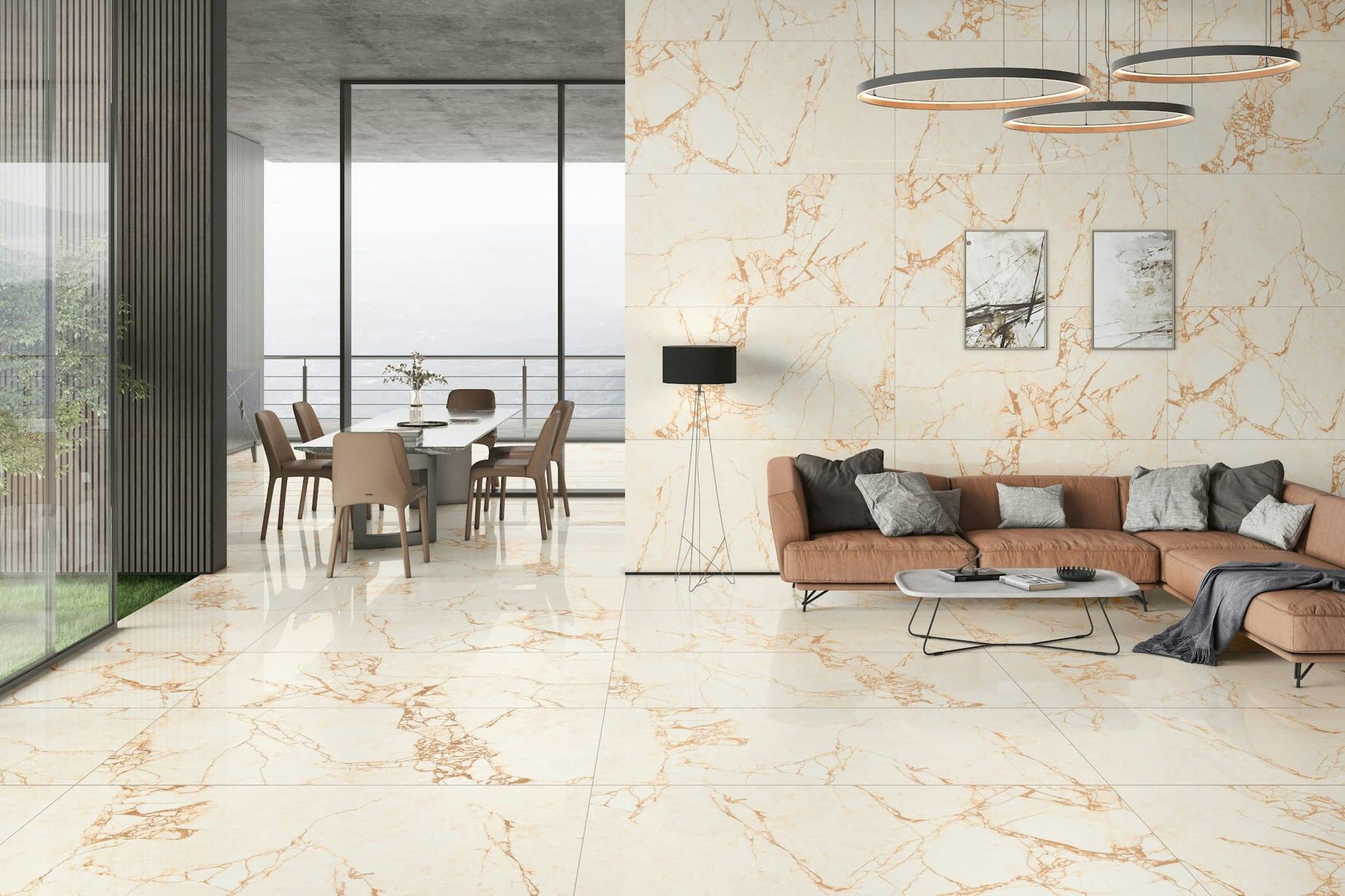
Ceramic or porcelain tile in the size and pattern you choose, set out from the room's starting line, bedded in adhesive, grouted and cleaned.
Wood floors
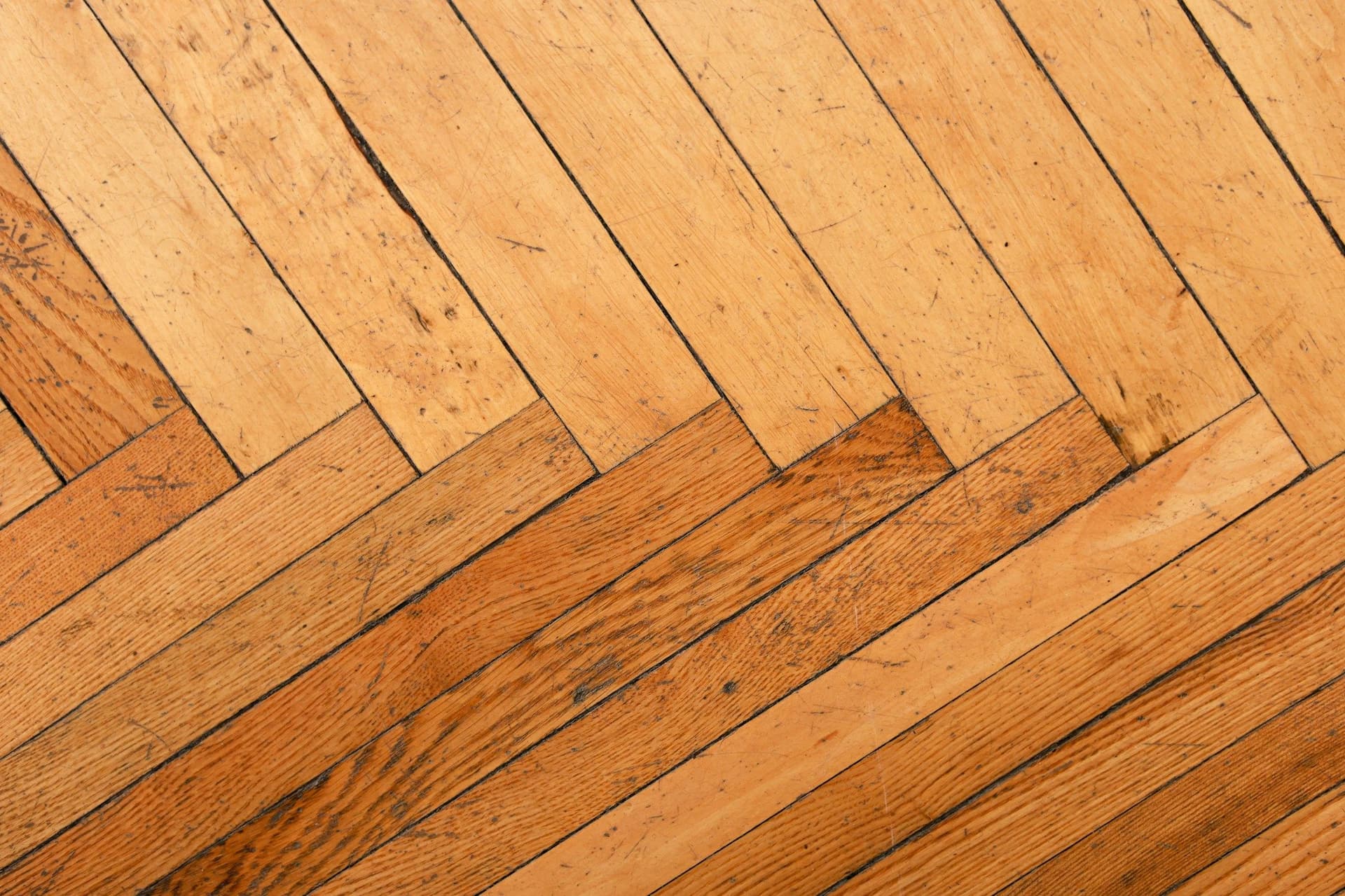
Planks or parquet laid over a prepared base, with a gap left at the walls for movement and skirting fitted to cover it.
Vinyl plank floors
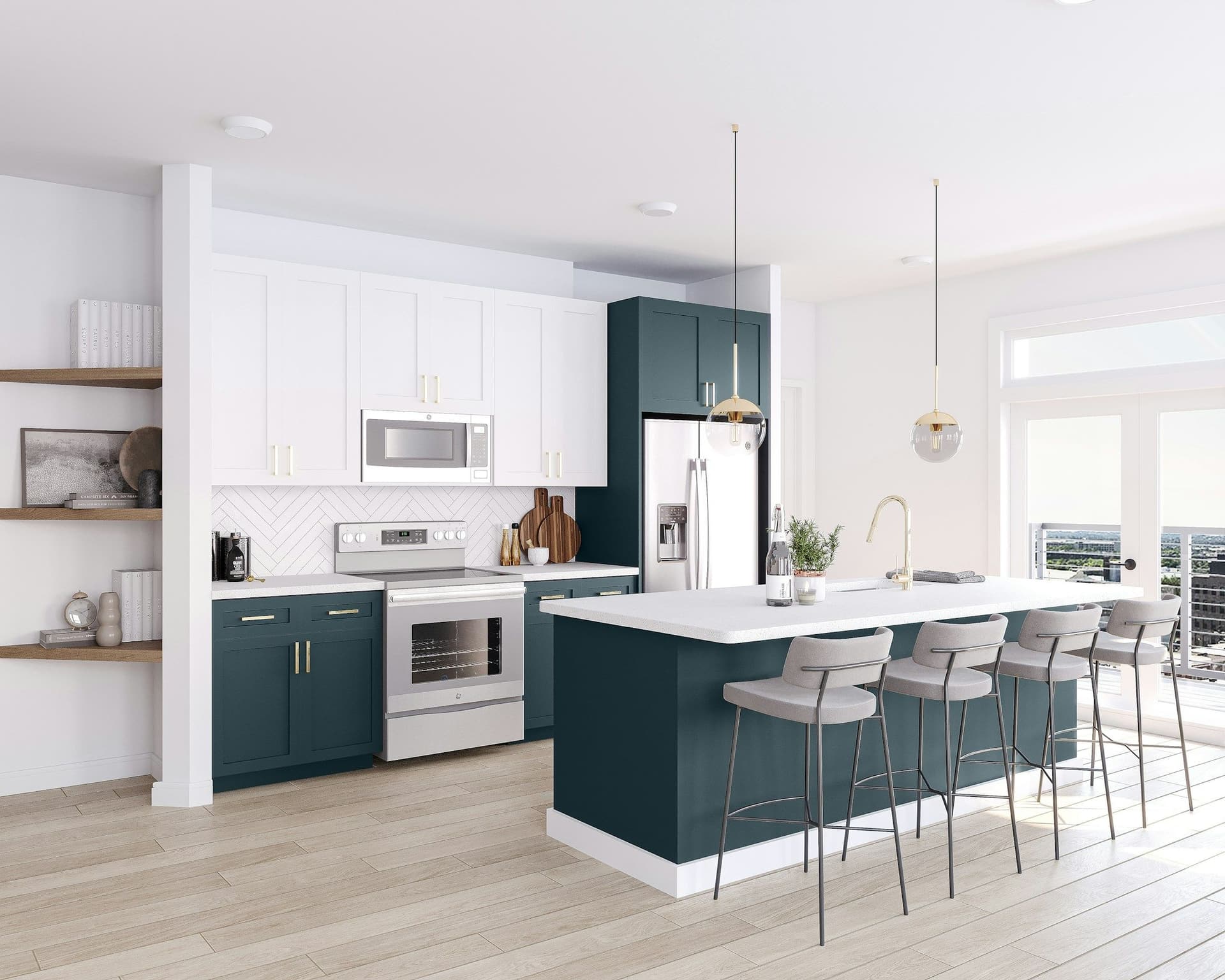
Click-together or glued planks laid over a leveled base, a practical choice for rooms that see spills.

Stone floors
Marble or granite slabs and tiles set on a firm base, then sealed and polished to the finish you choose.
Decisions to make before we start
A few choices change the price and the result. We go through them with you at the first inspection.
- Which material goes in which room?
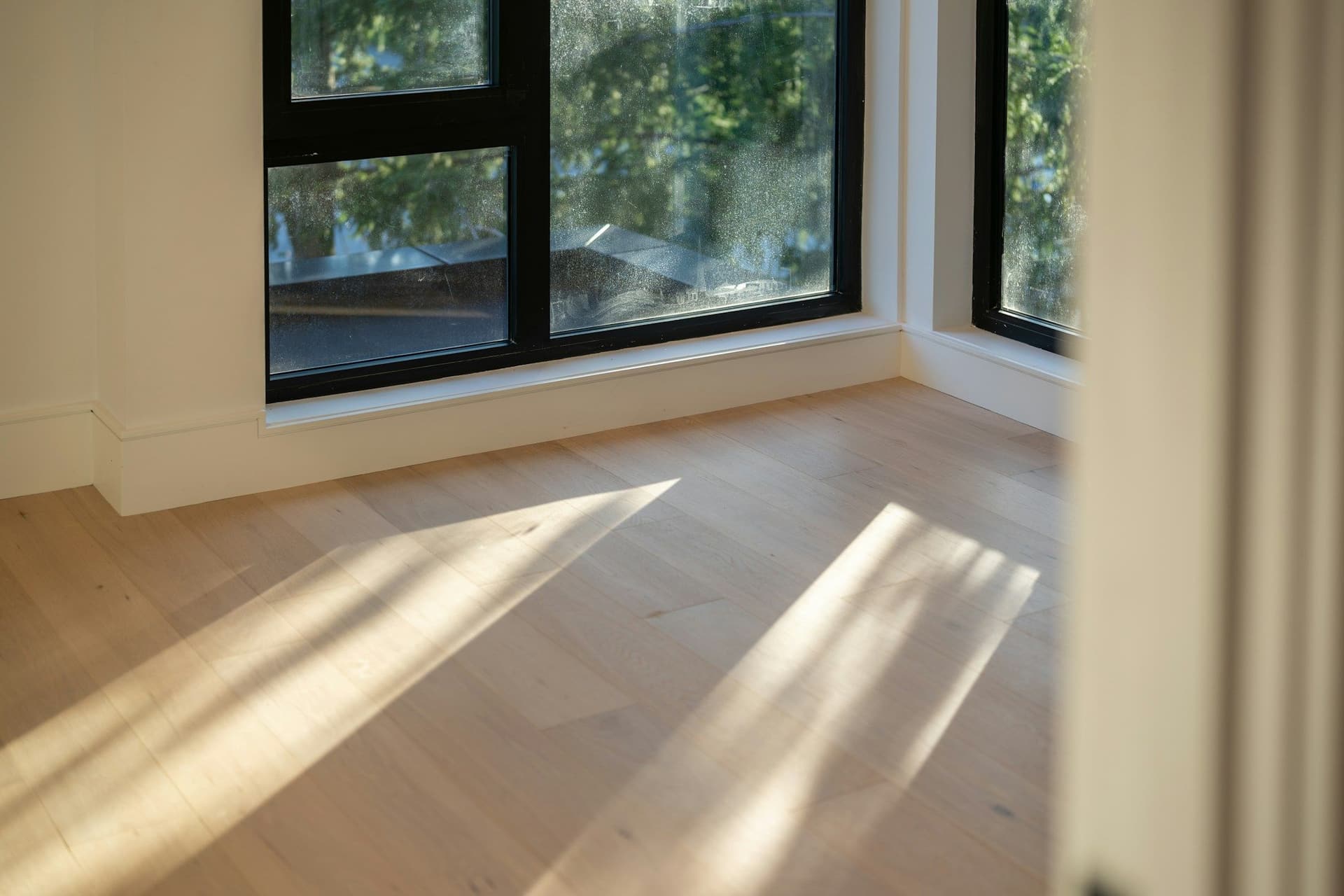
- Many villas mix floors: tile downstairs, wood or vinyl in bedrooms. We mark each change of material on the plan so it lands under a door, not in the middle of a room.
- What happens to the old floor?
- It can stay if it is flat and sound, or it can come up first. Lifting old tile or screed adds demolition and clearing, and that goes into the itemized estimate.
- Which size, pattern and finish?
- Large tiles mean fewer joints. Small tiles and mosaic follow slopes. Matte surfaces grip better when wet, and polished ones show every mark.
- How will doors and thresholds cope with a thicker floor?
- A new floor can bind a door or leave a step between rooms. We check door clearances and thresholds at the inspection and tell you before any cutting starts.
- When can the work happen?
- Schedules are flexible. Work can run in off-hours, or room by room in stages, so you can keep using the rest of the home.
How a floor goes in, step by step
Every job follows our five stages: initial inspection, assessment and diagnosis, service execution, quality check and final walkthrough. On a floor, they look like this.
- 01
Inspect and measure
We measure each room precisely, note door heights, drains and thresholds, and mark the starting lines for the layout.
- 02
Check the base
We look at the slab or screed for level, cracks and damp, because every floor shows the faults beneath it.
- 03
Prepare the surface
Old flooring comes up where needed, dust is cleared and low spots are leveled before anything is laid.
- 04
Lay the floor
Tile is bedded and spaced evenly, planks are laid with a gap at the walls, and stone is set slab by slab.
- 05
Grout, seal and trim
Joints are grouted or trimmed, thresholds and skirting are fitted, and stone or porous tile is sealed as the material needs.
- 06
Quality check
We run a straightedge across the floor, tap tiles for hollow spots and check joints, edges and thresholds before you see them.
- 07
Final walkthrough
We walk each room with you, clean up and hand the finished floor over.
Check your building's flooring rules
Some apartment buildings and villa communities set rules for floor work, such as working hours, noise limits and what can go under the floor. Check with your building management or community before you choose a material, and ask us about permits and approvals when you request your estimate.
Permits and approvals in DubaiTrades that often join a flooring job
Floors meet walls, doors and wet areas, so these services often run alongside.
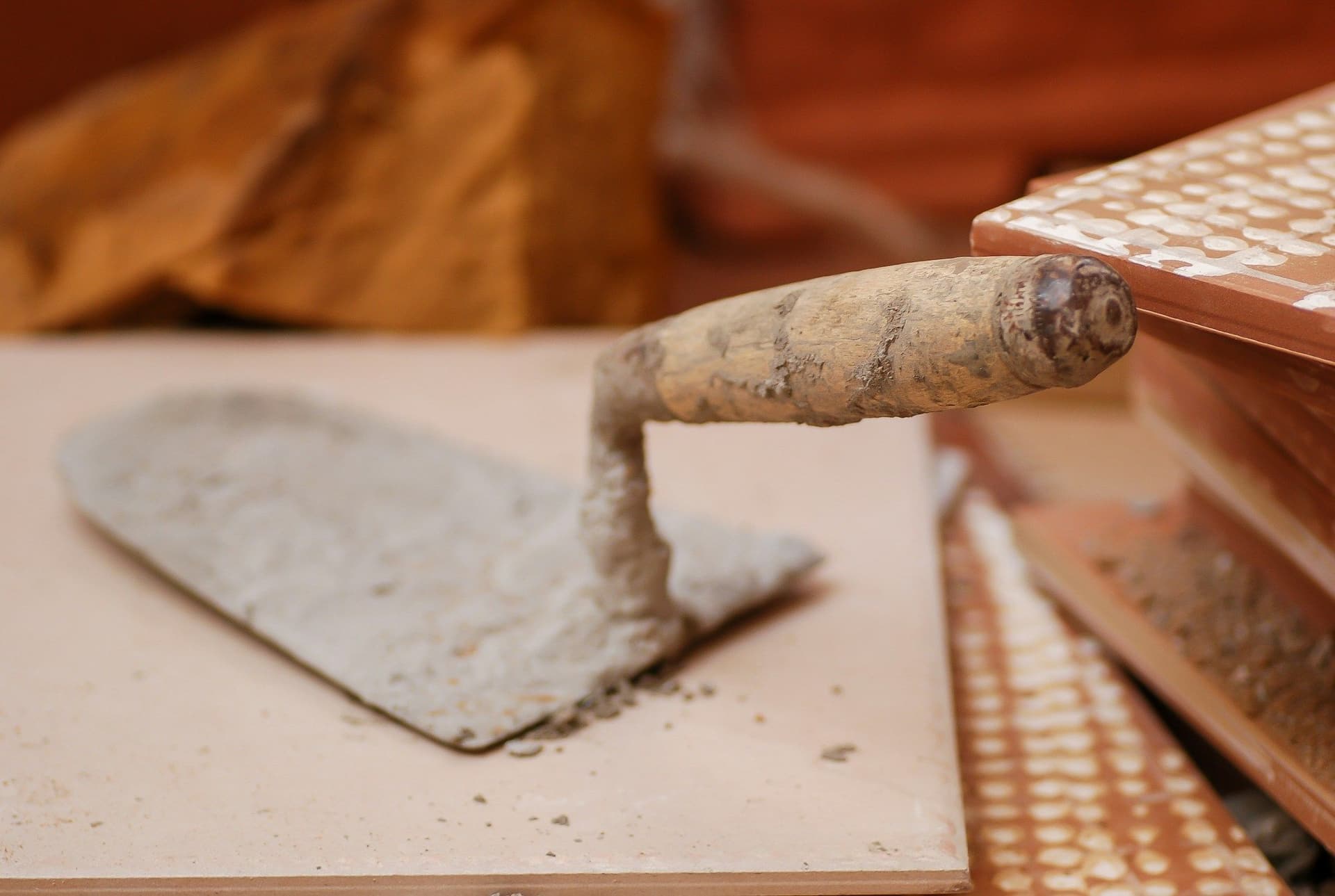 TilingWalls and floors in ceramic, porcelain, marble, granite or mosaic, measured and set out first.
 Demolition and site clearingStrip-outs and careful removal before the new work begins.
 Insulation and waterproofingKeeping heat out and water out of roofs, wet rooms and walls.
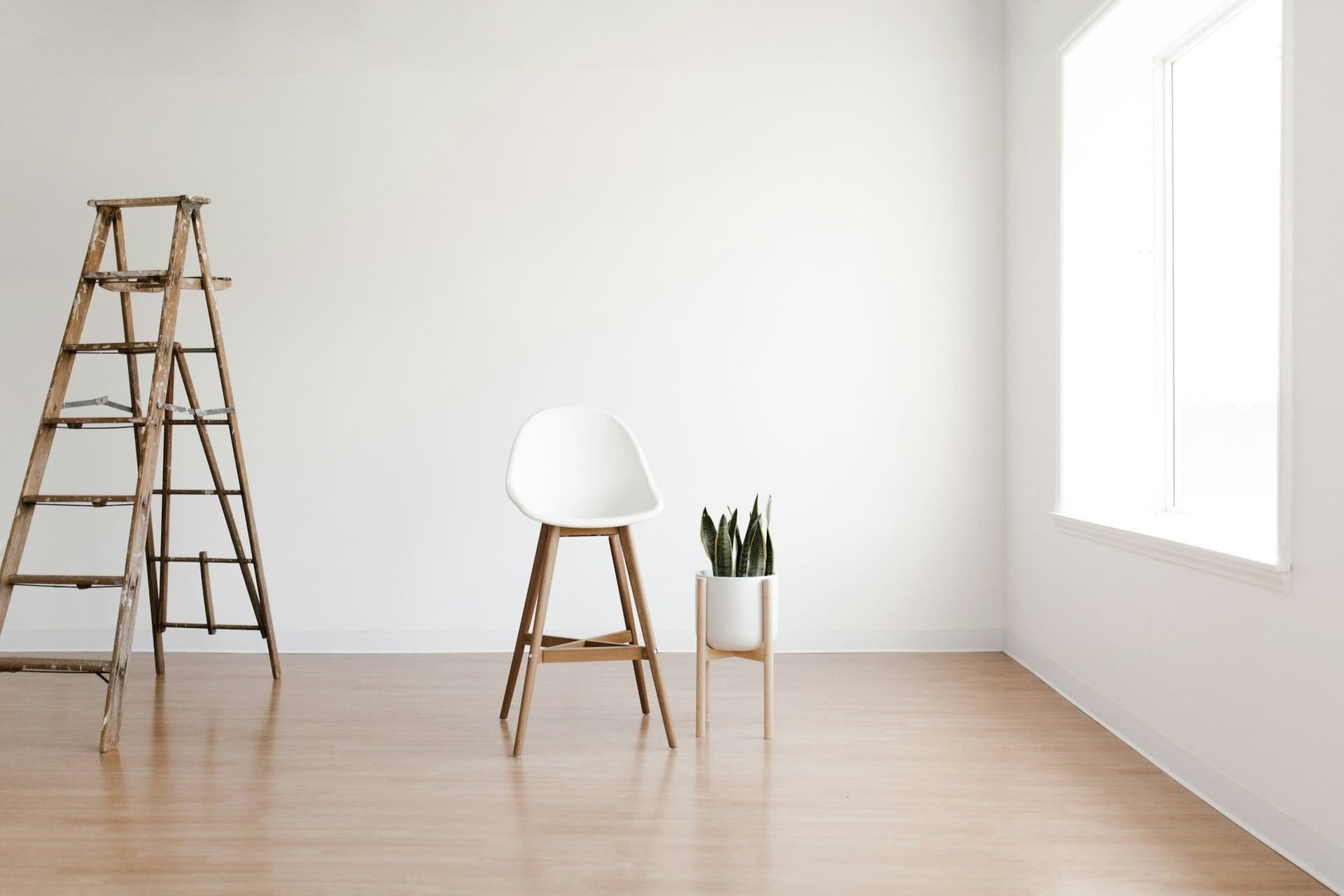 Painting and wallpaperWall preparation, priming, paint and wallpaper, with color advice.
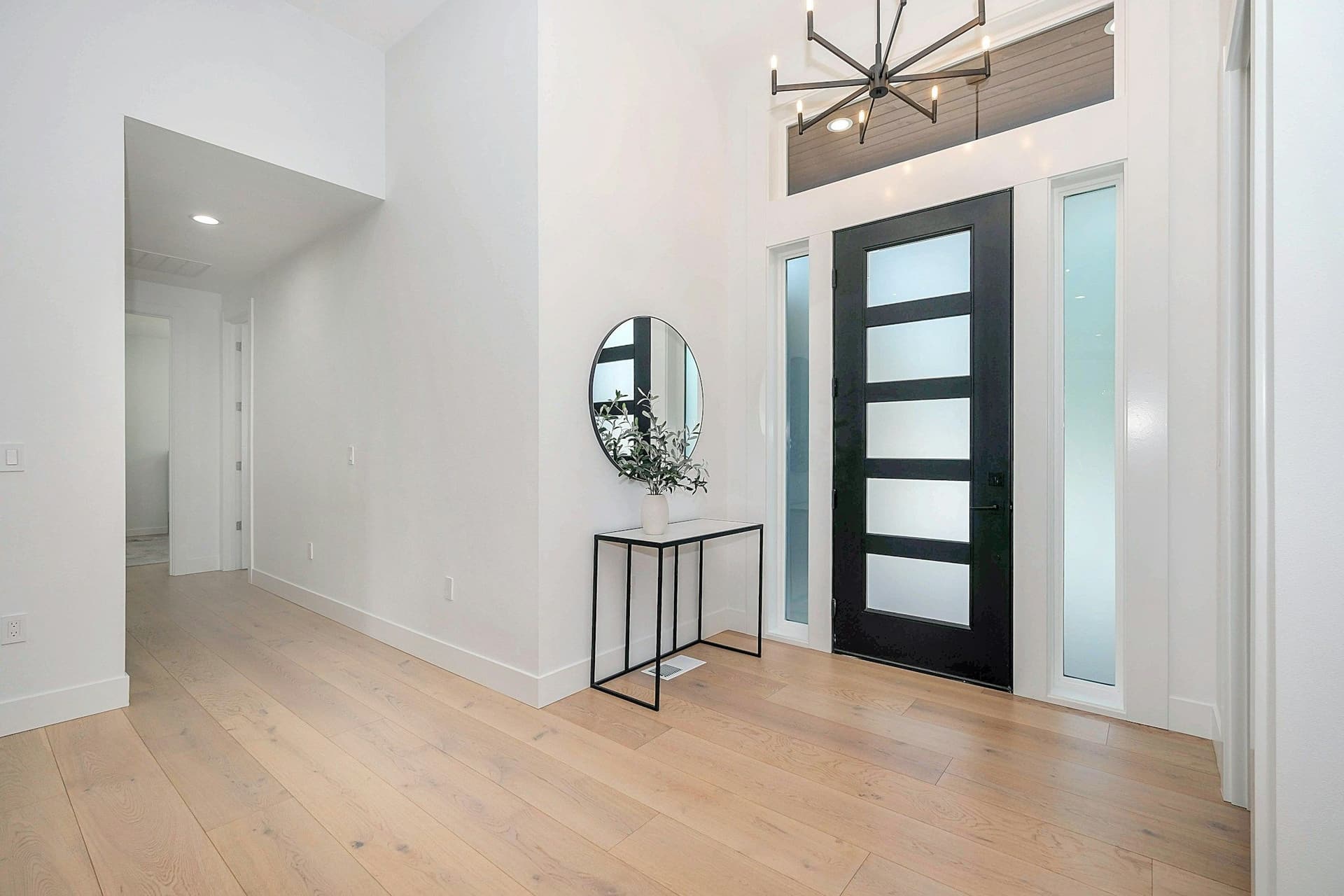 Doors, windows and staircasesWooden, glass and sliding doors, windows, and staircase work.
Flooring questions, answered plainly
Which floor suits a Dubai villa?
There is no single answer. Tile suits kitchens, entrances and wet rooms, wood and vinyl plank suit bedrooms and living rooms, and stone suits halls where you want a natural finish. We go through your rooms one by one at the first inspection.
Can you lay new tile over old tile?
Sometimes, if the old tile is firmly bonded and flat. It raises the floor height, which affects doors and thresholds, so we check on site before we recommend it.
Can wood go in a kitchen or bathroom?
Water is the main risk. Tile or vinyl plank is the safer choice in wet rooms, and if you want wood in a kitchen we explain the upkeep it needs before you decide.
How long will a new floor take?
It depends on the floor area, the material and how much preparation the base needs. The estimate is free, and work can run in off-hours or in stages to fit your routine.
What does a flooring job cost?
It depends on the material, the area, the base preparation and whether old flooring has to come up. The free estimate itemizes every step before work starts, with no hidden charges.
Flooring: get a free estimate
Tell us what you want to change. We inspect, measure and send an itemized estimate with every step broken down, so you know exactly what you are paying for before any work starts.
Free estimates. No obligation or upfront payment required.