
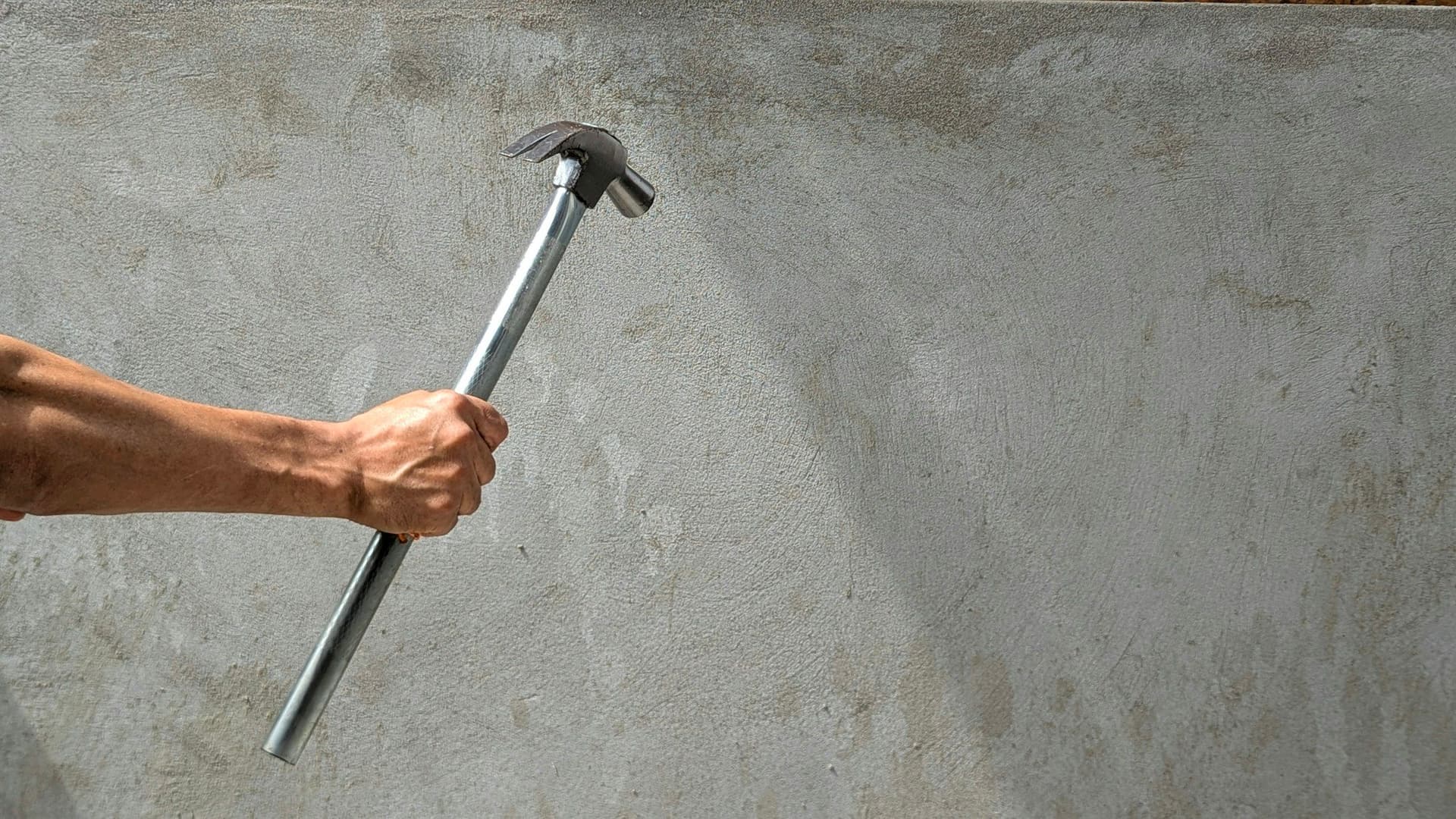
Demolition and site clearing for Dubai homes
Careful strip-outs and removal of old fittings and debris before new work begins, with the rest of your home protected.
Free estimates. No obligation or upfront payment required.
Three kinds of demolition work
A job can use one or all of these. We agree which applies, room by room, before work starts.
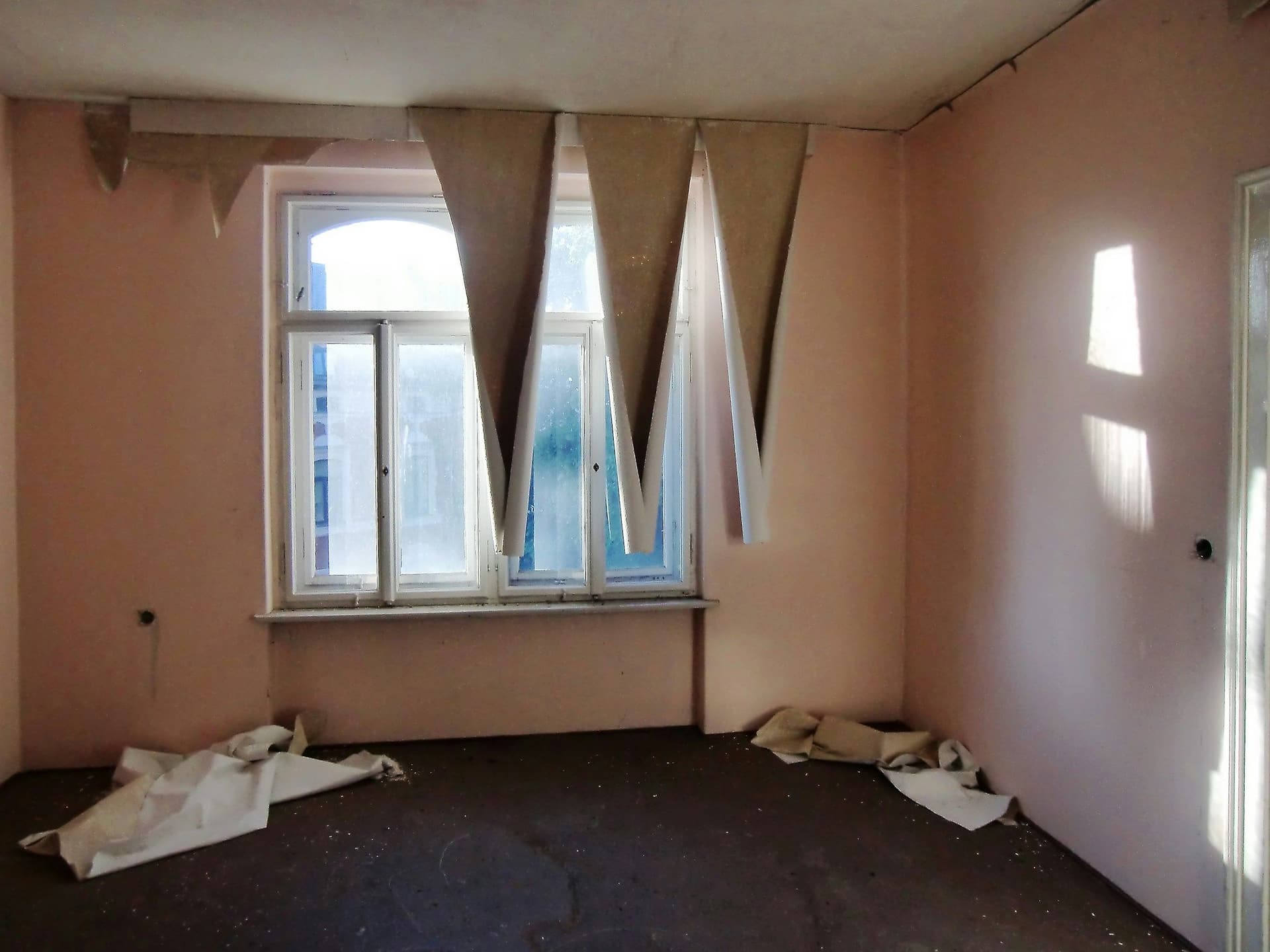
Full strip-out
A room taken back to its shell: old finishes, fittings, units and fixtures removed so the next trades start from a clean surface.
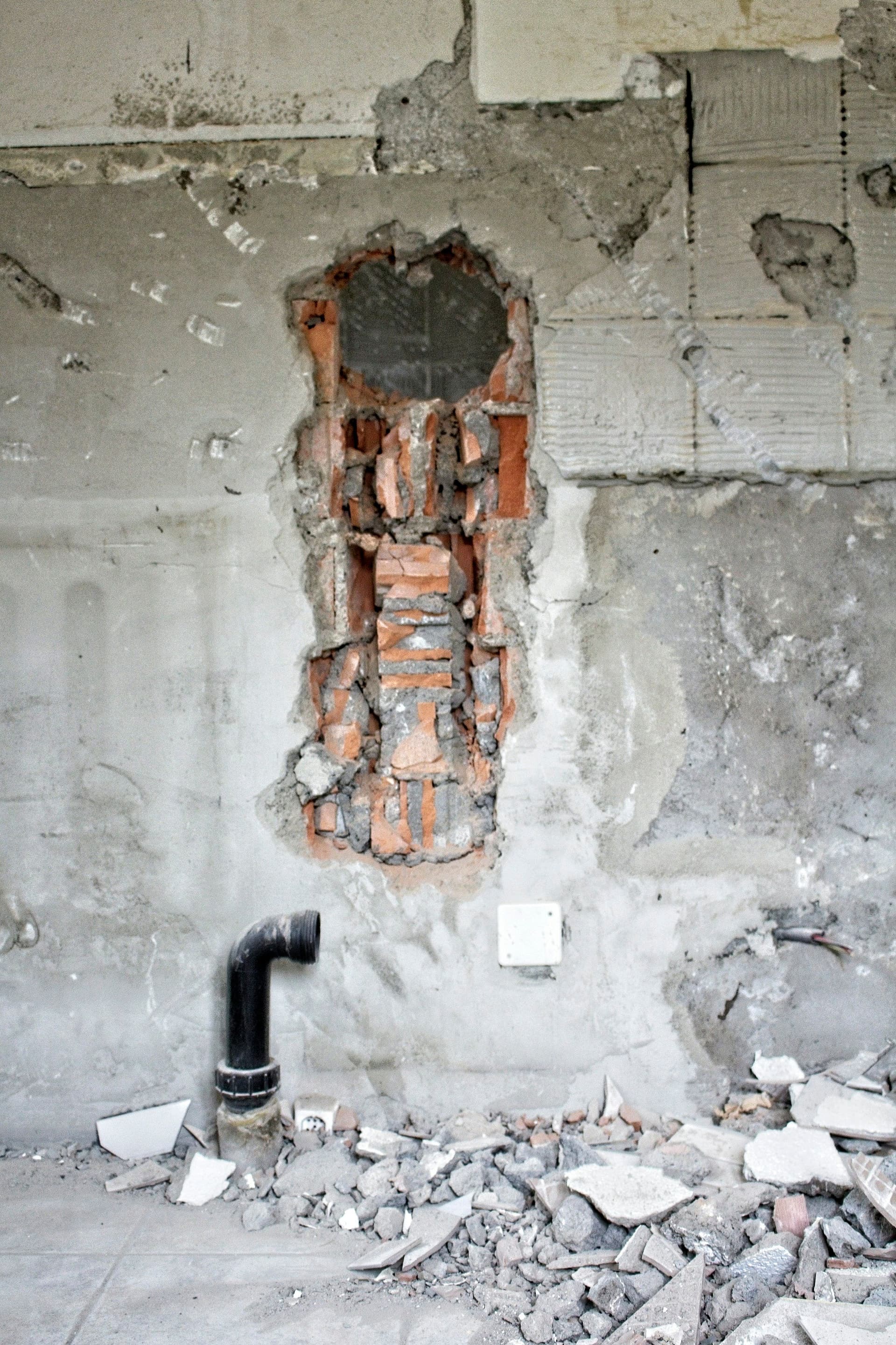
Selective demolition
One wall, one floor, one bathroom or one kitchen taken out while the rest of the home stays as it is.
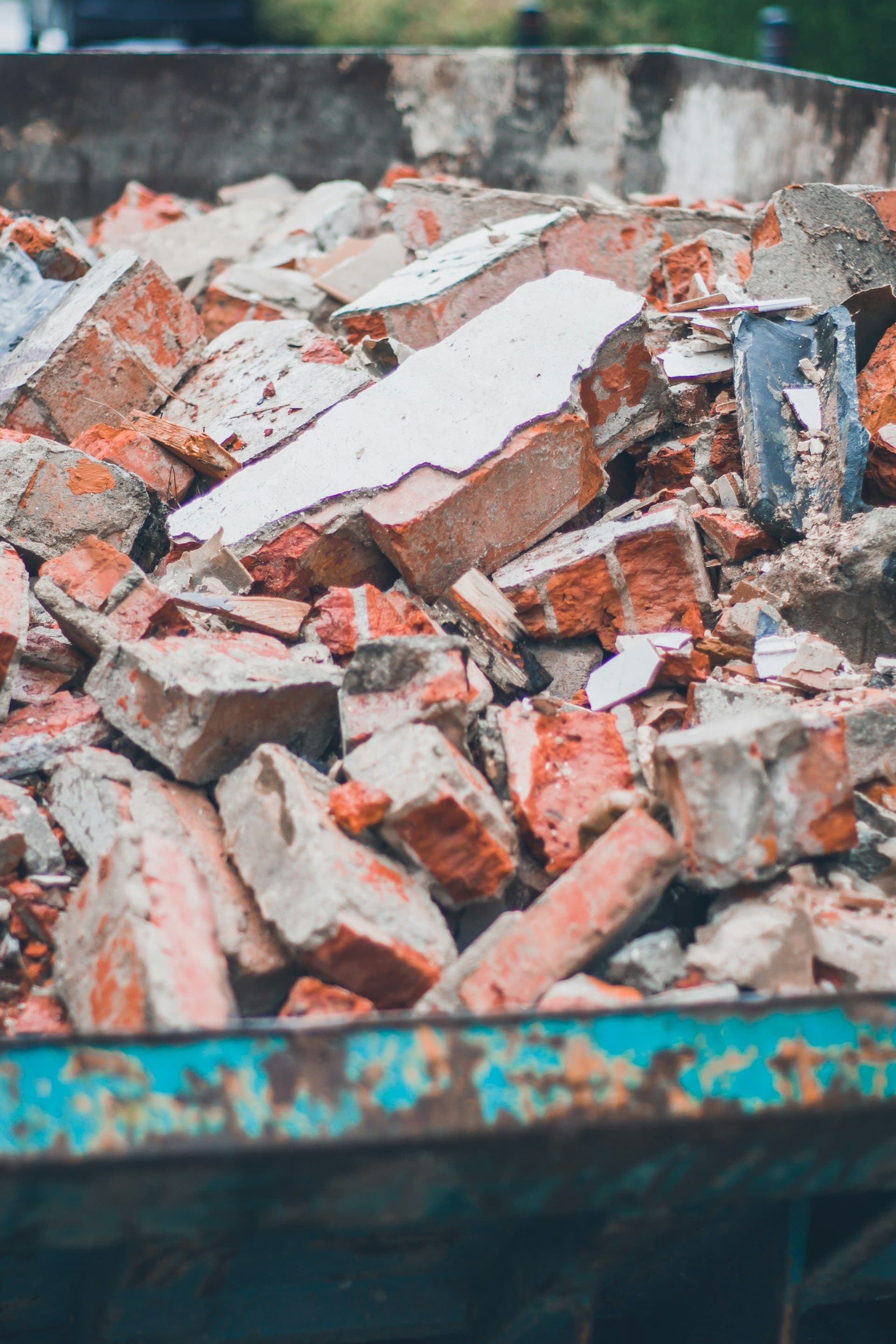
Clearing and removal
Debris, old fittings and waste loaded and carried out, so the site is clear before new work begins.
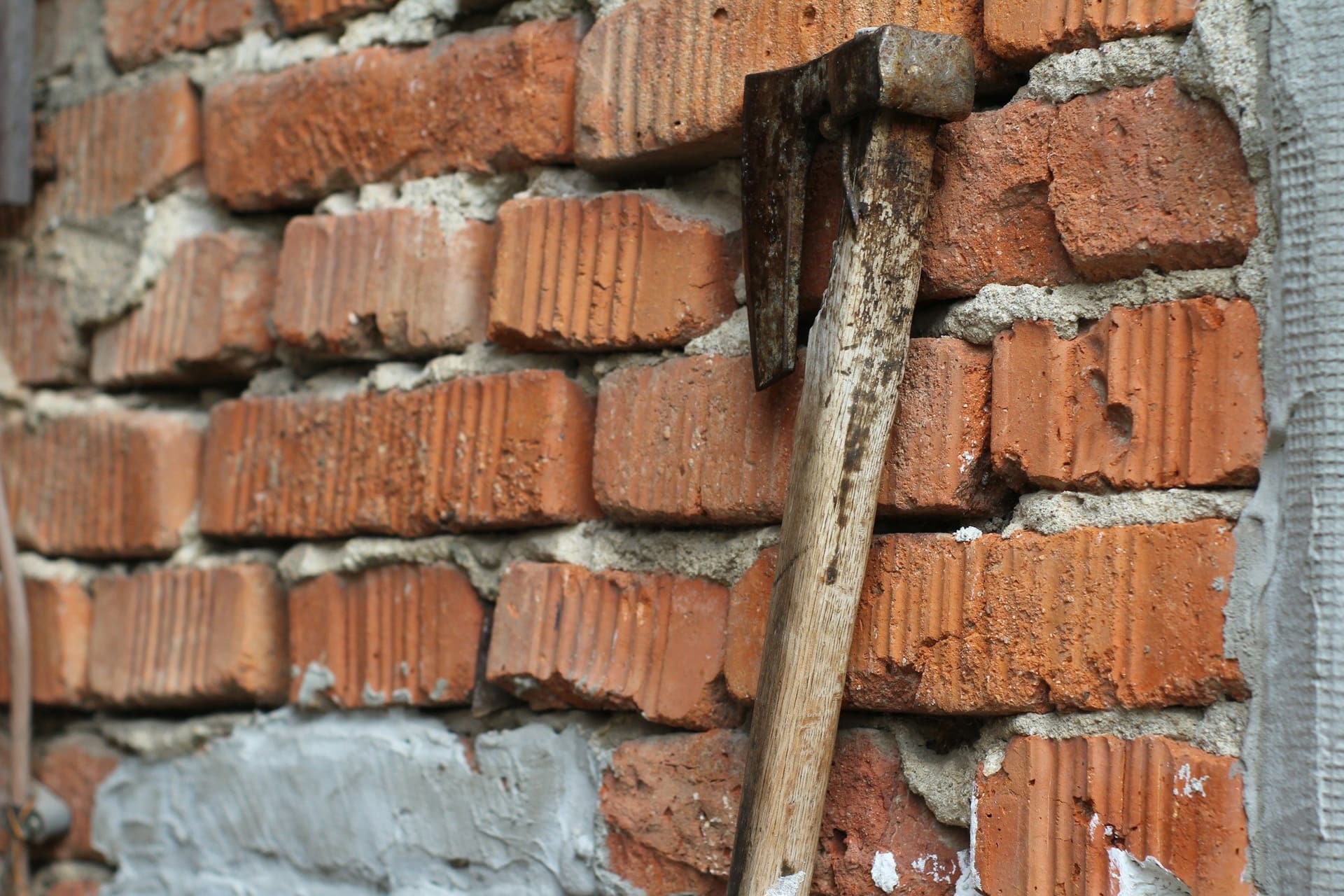
Where a careful renovation starts
Demolition is the first stage of the work, and it sets the pace for everything after it. A clean, careful strip-out leaves straight walls, level floors and clear access for the trades that follow.
It is also where surprises show up: old pipework, cables or damp behind a wall. We open up carefully, check what is there and tell you before the plan changes.
Because we also handle plumbing, electrical work and tiling, the strip-out is planned with the rebuild in mind, not as a separate job.
What gets taken out and carried away
Tell us what stays and what goes. These are the usual items.
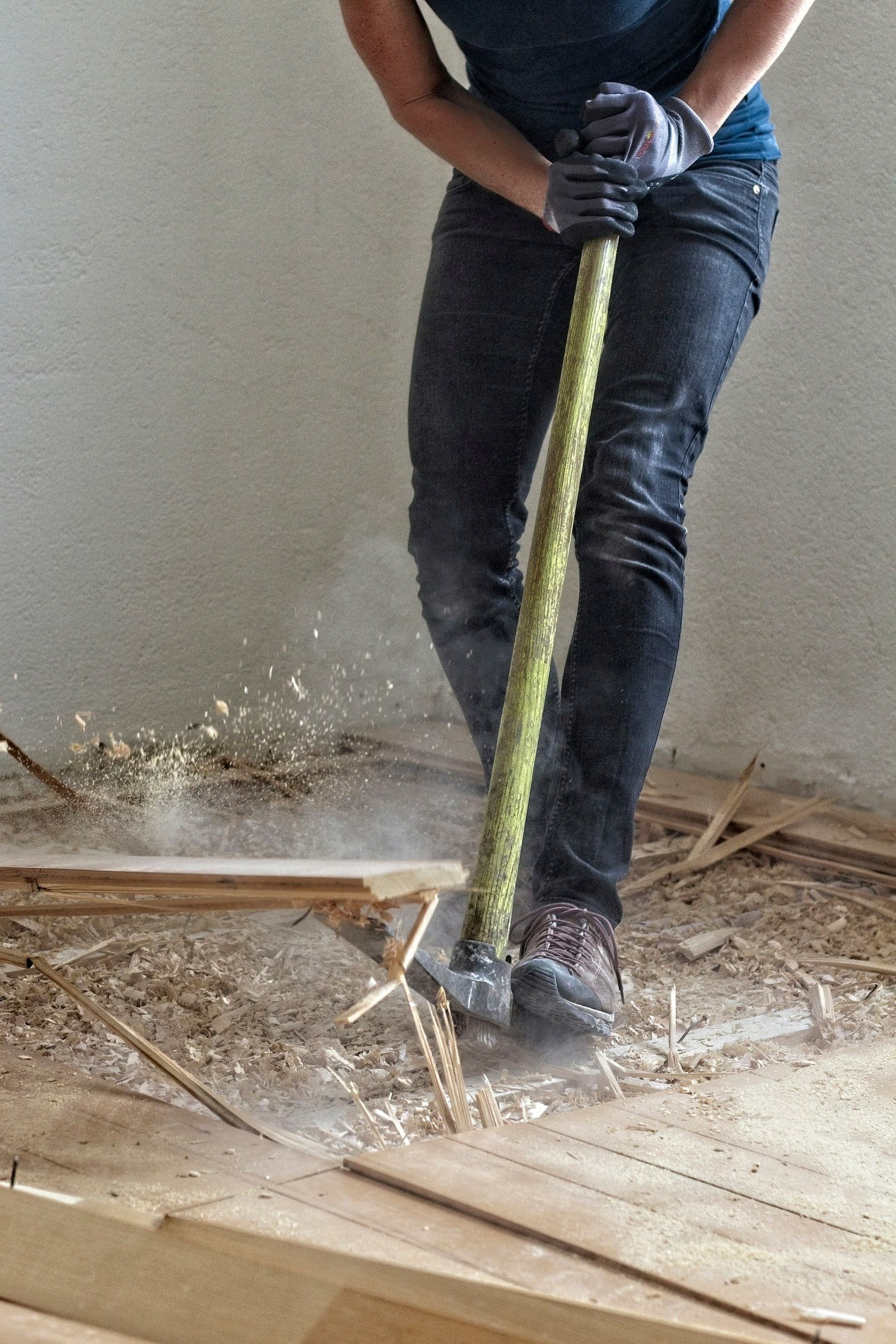
Kitchens and bathrooms
Old units, countertops, sanitaryware and fixtures, with water and power isolated first.
Tiles and floors
Wall and floor tiles and old flooring, and the layer beneath where the new floor needs it.
Walls and partitions
Non-structural walls and partitions taken out to open up a layout. Structural walls need an assessment and the right permission first.
Ceilings and boards
False ceilings, gypsum boards and old plaster removed back to a sound surface.
Doors, windows and joinery
Old doors, frames, cupboards and built-in joinery taken out with care, so what you keep is not damaged.
Debris and waste
Rubble and waste are bagged or loaded and taken off site, following your building's rules for lifts and loading areas.
A clean finish
The space is swept and left ready for the next trade.
How a strip-out runs, step by step
Every job follows five stages: initial inspection, assessment and diagnosis, service execution, quality check and final walkthrough. For demolition, they look like this.
- 01
Initial inspection
We walk the space with you and mark what goes, what stays and what must be protected.
- 02
Assessment and diagnosis
We check what is behind walls and under floors: pipes, cables and structure. Anything that needs permission is flagged early.
- 03
Protect and isolate
Floors, doors and furniture that stay are covered, work areas are closed off, and water and power are isolated where needed.
- 04
Careful strip-out
Work follows the agreed order, with noisy and dusty tasks timed to suit your building's rules and your routine. It can run in off-hours or in stages.
- 05
Clear and clean
Debris is removed from site and the space is swept.
- 06
Quality check
We check the stripped space for loose fixings, sharp edges and exposed wires, and for anything that could harm the next trade.
- 07
Final walkthrough
We walk it with you, confirm what has been removed and hand the space over for the next stage.
Check before you take anything out
Removing a wall, opening a floor or changing the outside of a home can need permission from your building management or community, and sometimes from the authority. Structural walls in particular should come out only after the right assessment and approval. Permits and approvals is one of our services, so ask us when you request your free estimate.
Permits and approvals in DubaiServices that follow a strip-out
Once the space is clear, the new work can begin.
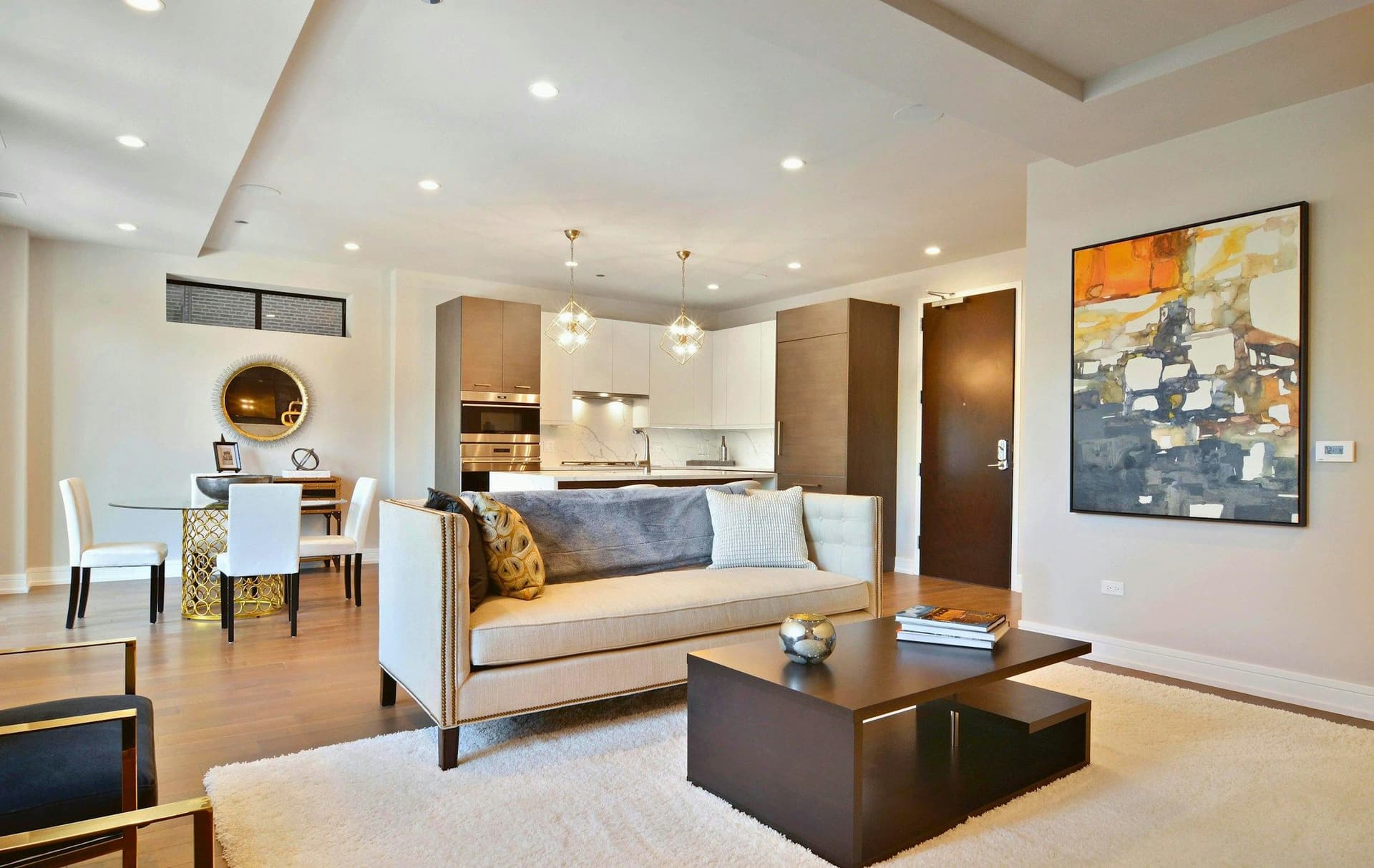 Whole-home renovationEvery room and system of a villa or apartment, planned and handed over as one project.
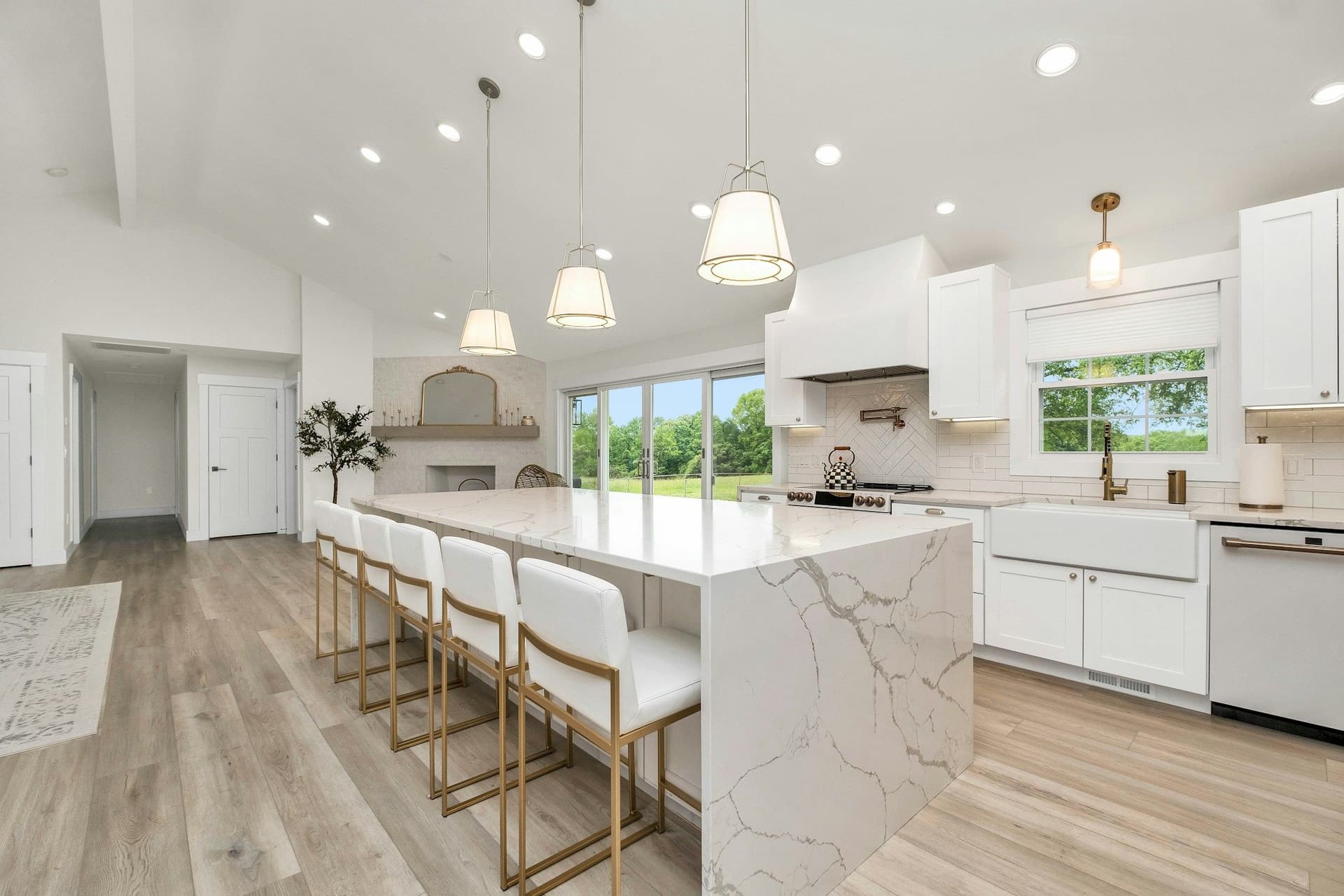 Kitchen remodelingLayout, cabinets, worktops, plumbing, electrics, tiling and flooring in one job.
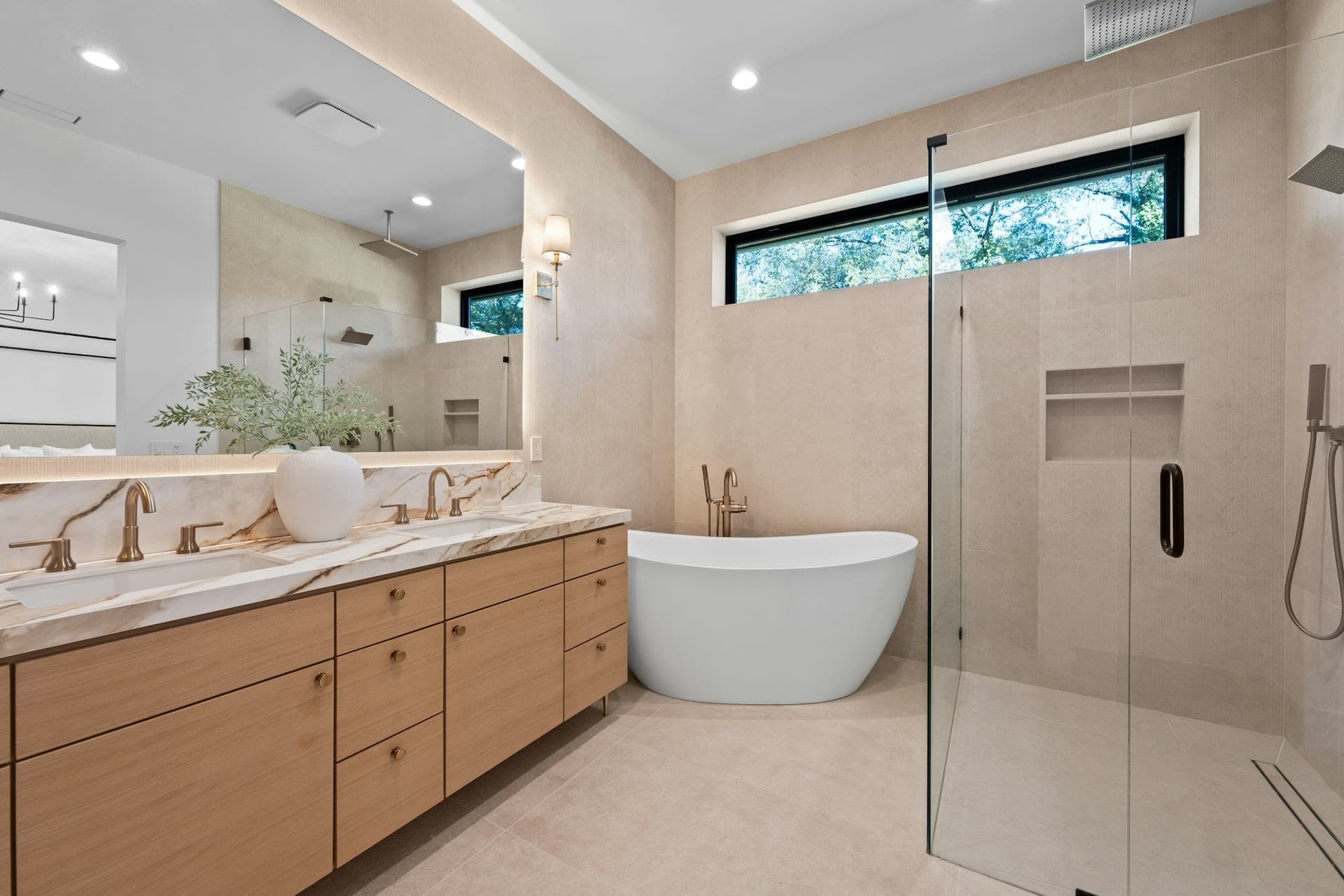 Bathroom remodelingShowers, baths, fixtures, waterproofed tiling, plumbing and lighting.
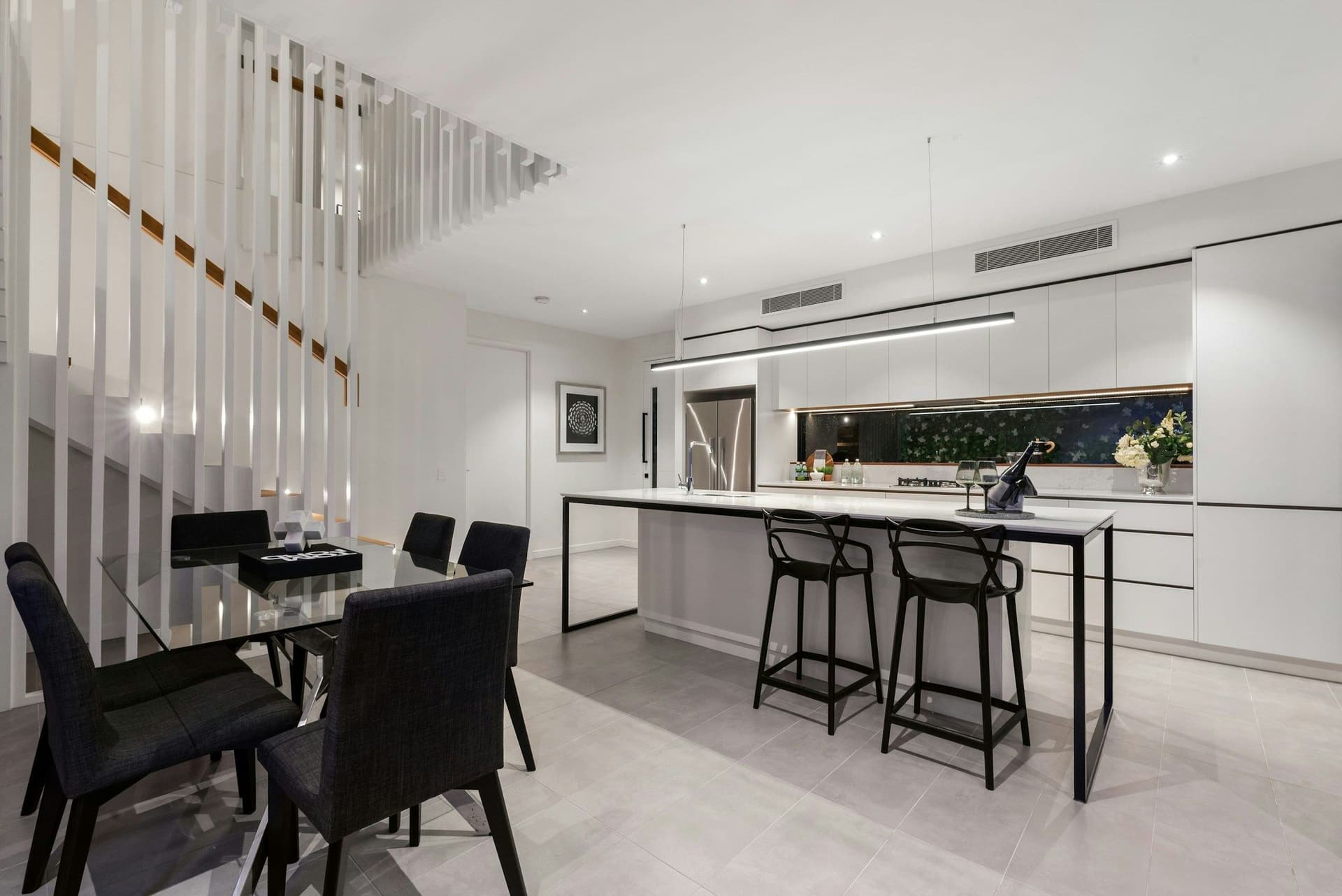 Wall removal and open-plan layoutsStructural work to open up rooms, with the right support where walls come out.
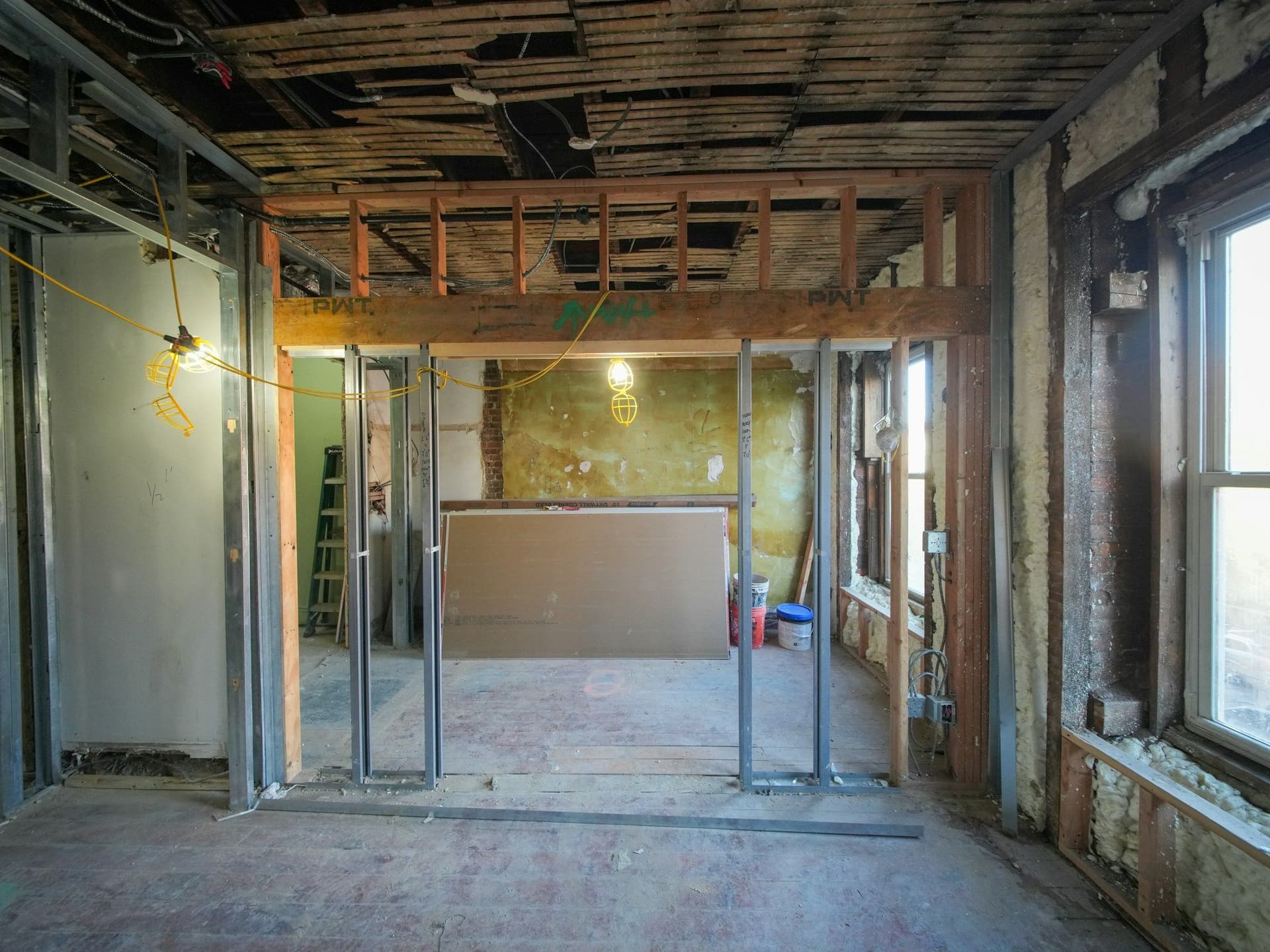 Project managementOne schedule, one point of contact and the trades kept in order.
Demolition questions, answered plainly
Can you work while we live in the home?
Often, yes. Work can run in off-hours or in stages, and the rest of the home is protected. We agree what is practical for your layout before work starts.
How dusty and noisy will it be?
Demolition is noisy and dusty by nature. We cover what stays, close off the work area and clear and sweep when each stage ends, and we time noisy tasks around your building's rules.
Who takes away the rubble?
We do. Removal is part of the job, and the debris is carried out and taken off site. Many buildings have rules for lifts, loading areas and waste, so tell us yours.
Can any wall come out?
No. Some walls carry the weight of the building above, and those need a structural assessment and the right permission first. Non-structural partitions are usually simpler, but your building may still ask for approval.
What if you find something unexpected?
Old pipes, cables or damp can turn up behind walls and under floors. We check what it is and tell you what it means for the work before carrying on.
Demolition and site clearing: get a free estimate
Tell us what you want to change. We inspect, measure and send an itemized estimate with every step broken down, so you know exactly what you are paying for before any work starts.
Free estimates. No obligation or upfront payment required.