
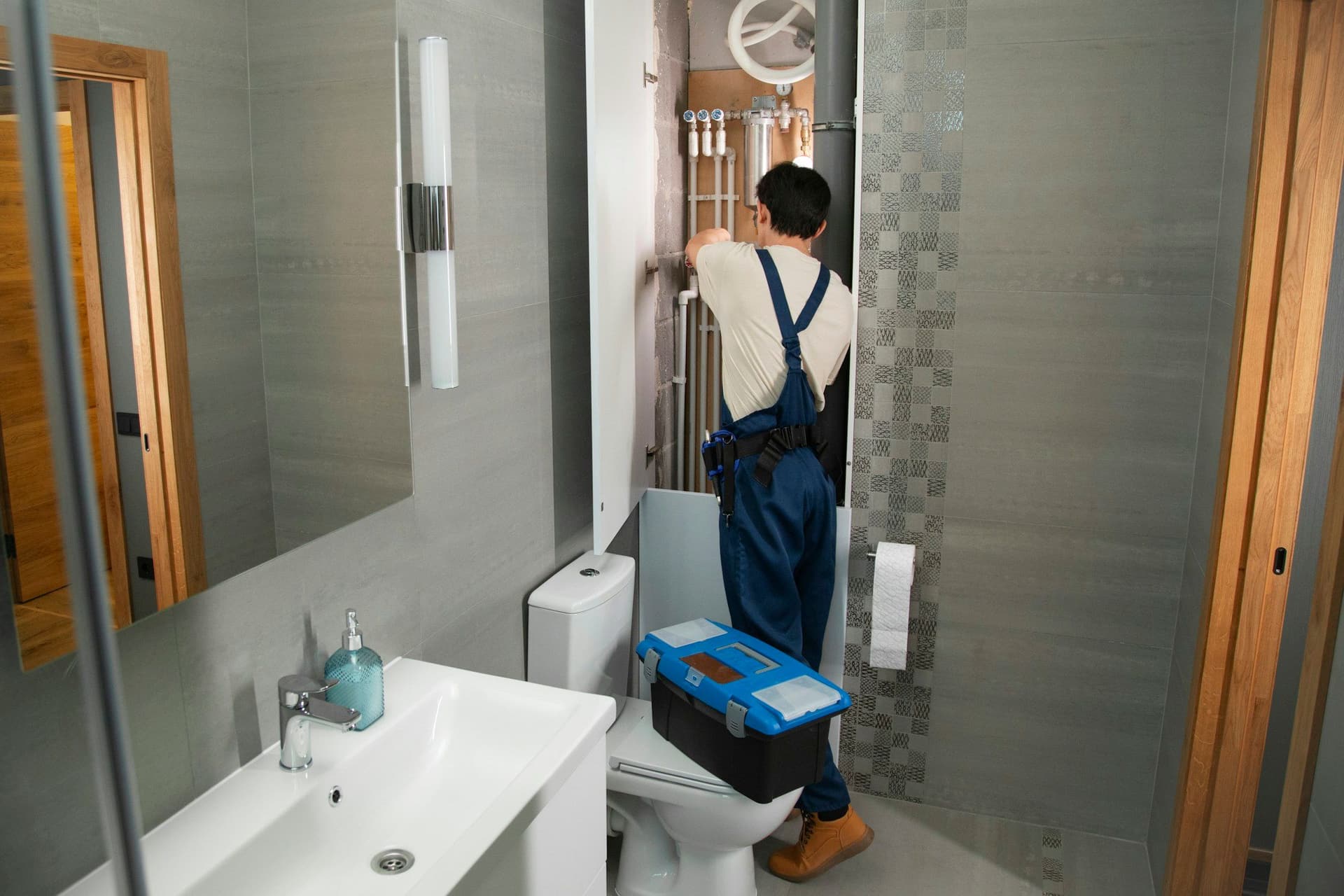
Plumbing repairs and installation in Dubai
New pipework, leak repair, drains, faucets, toilets and water heaters for villas and apartments, by licensed plumbers with 24/7 emergency service.
Free estimates. No obligation or upfront payment required.
Signs you need a plumber
Small signs usually come before the large repair.
- A faucet, pipe or toilet that drips or keeps running.
- Damp patches, stains or peeling paint on a wall or ceiling, often below a bathroom.
- Water pressure that drops, or hot water that runs lukewarm or runs out fast.
- Drains that gurgle, smell or empty slowly.
- A toilet that flushes weakly or keeps refilling.
- Rust-colored water, or knocking noises from pipes when faucets open.
- A water heater that leaks, makes strange noises or gives cloudy water.
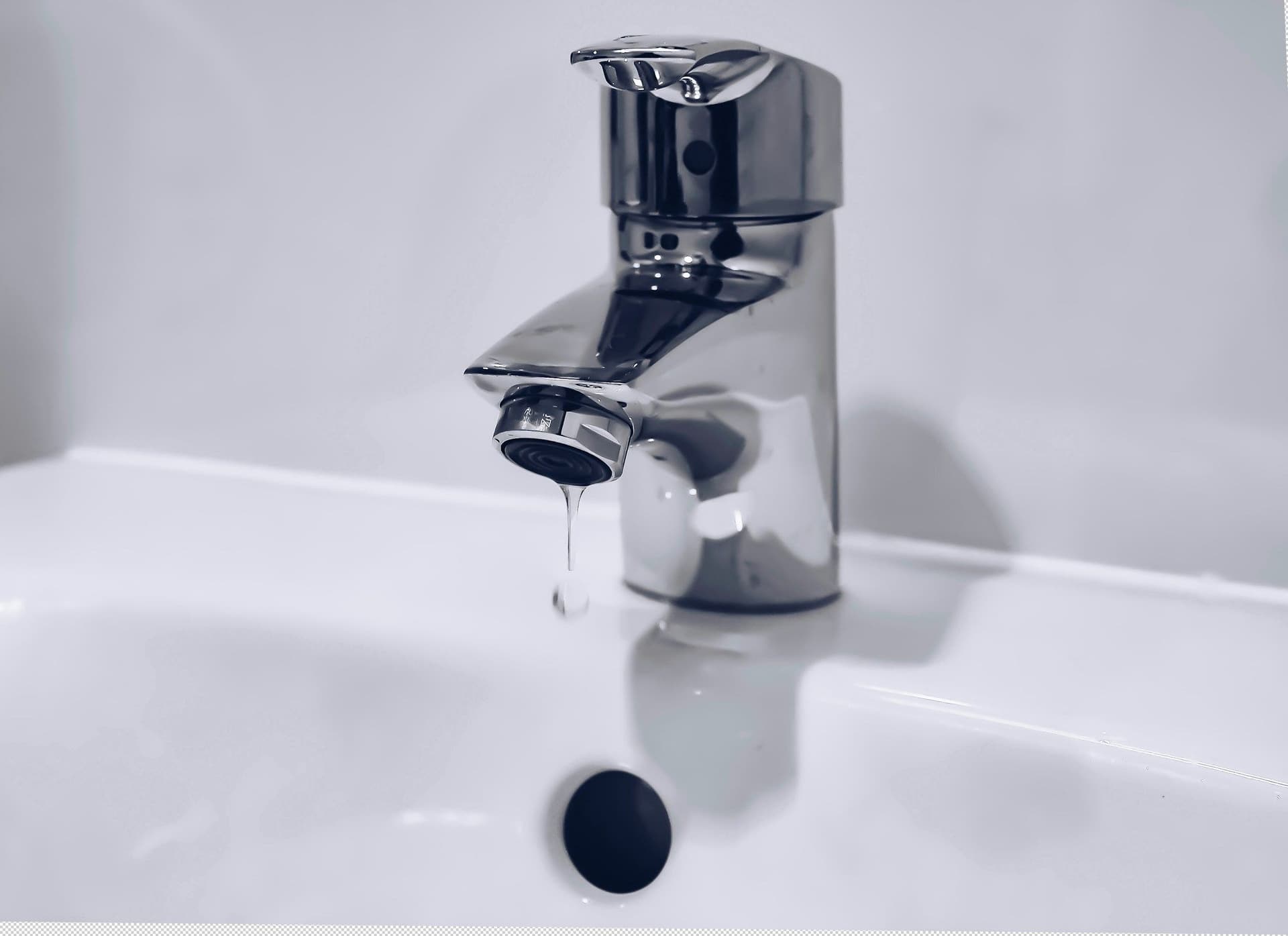
What the plumbing work covers
From a dripping faucet to new pipework for a whole bathroom, by licensed plumbers.
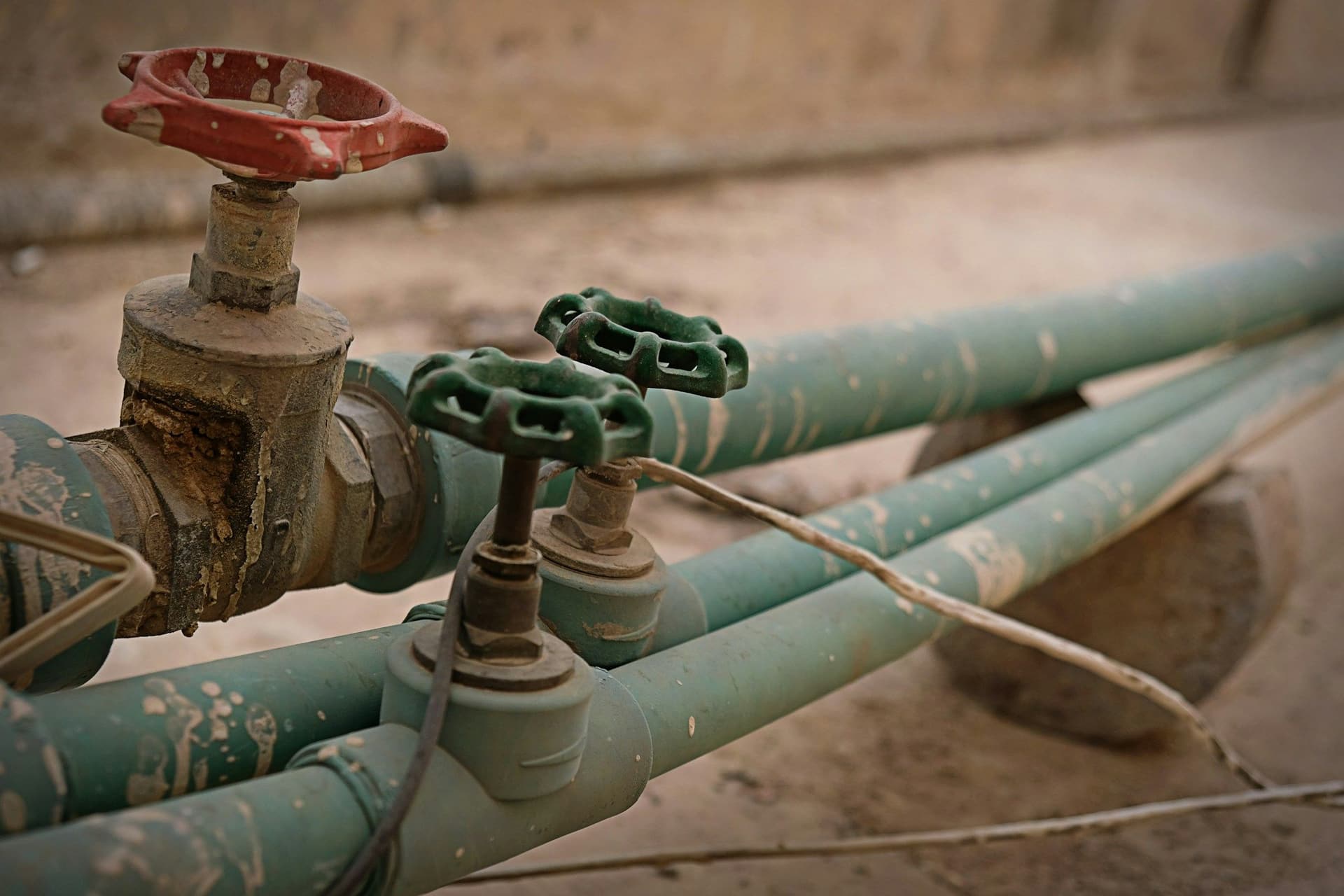
Plumbing installations
New pipework and fixtures for bathrooms, kitchens, extensions and renovations.
Pipe repairs and replacements
Leaking or corroded pipes repaired or replaced in PVC, copper or galvanized steel.
Drain cleaning and unclogging
Blocked kitchen and bathroom drains cleared, with the cause traced so it does not return.
Toilet and faucet repairs
Leaks sealed, flush problems fixed, and faucets repaired or replaced.
Water heater installations and repairs
Tank and tankless units installed, repaired and serviced.
Leak detection and repair
Hidden leaks located and repaired before they damage walls and floors.
Sewer line services
Sewer lines inspected, repaired or replaced.
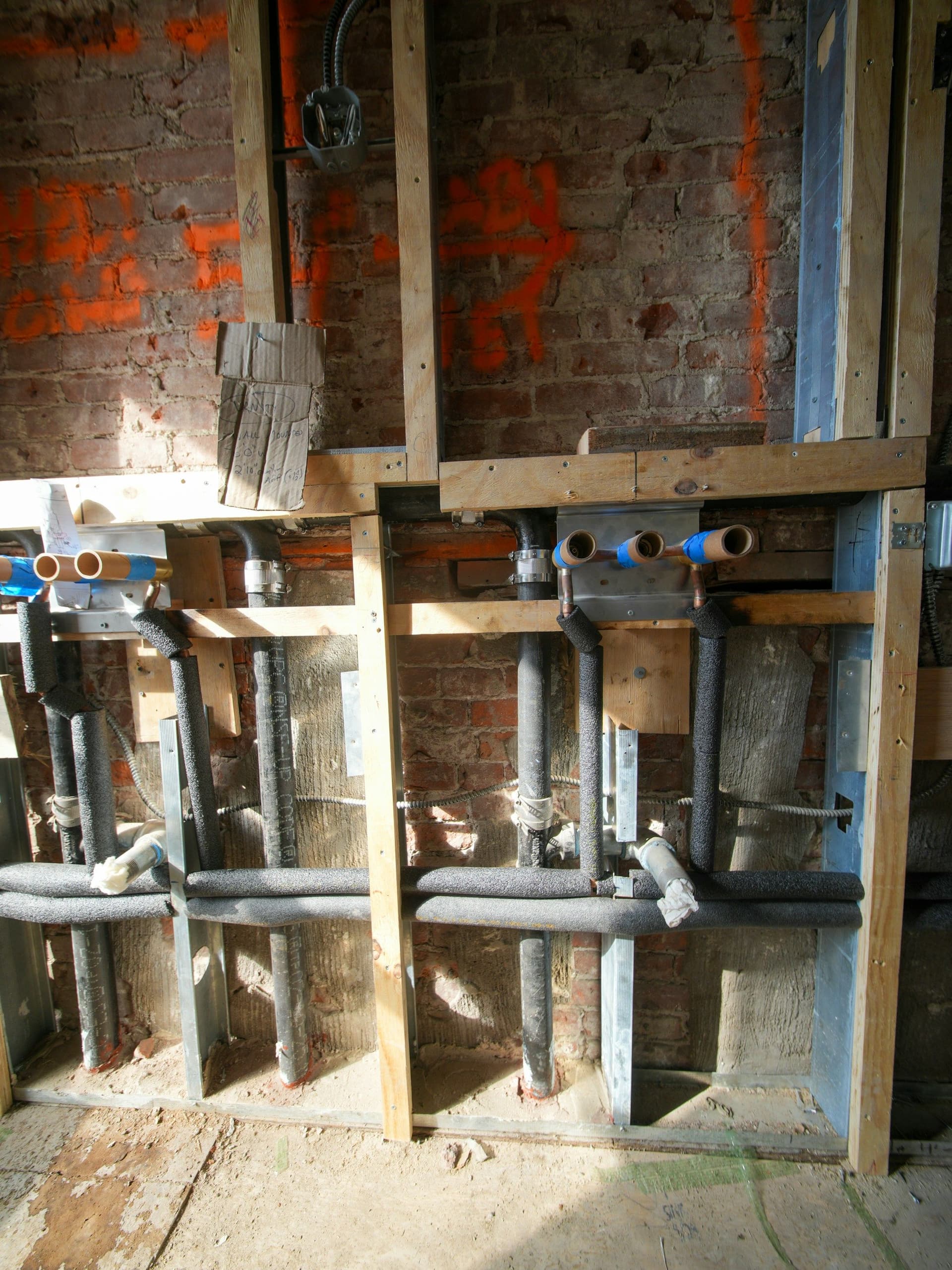
Pipework goes in before the tiles
In a bathroom or kitchen renovation, supply and drain pipes run inside walls and under floors. They are fitted while those surfaces are open, then tiled and plastered over.
That is why fixture positions, the water heater location and access for servicing need deciding early. With plumbing, electrical work and tiling handled by one contractor, the plumber and the tiler work to the same schedule.
Decisions before the pipes go in
Settle these while the walls and floors are open.
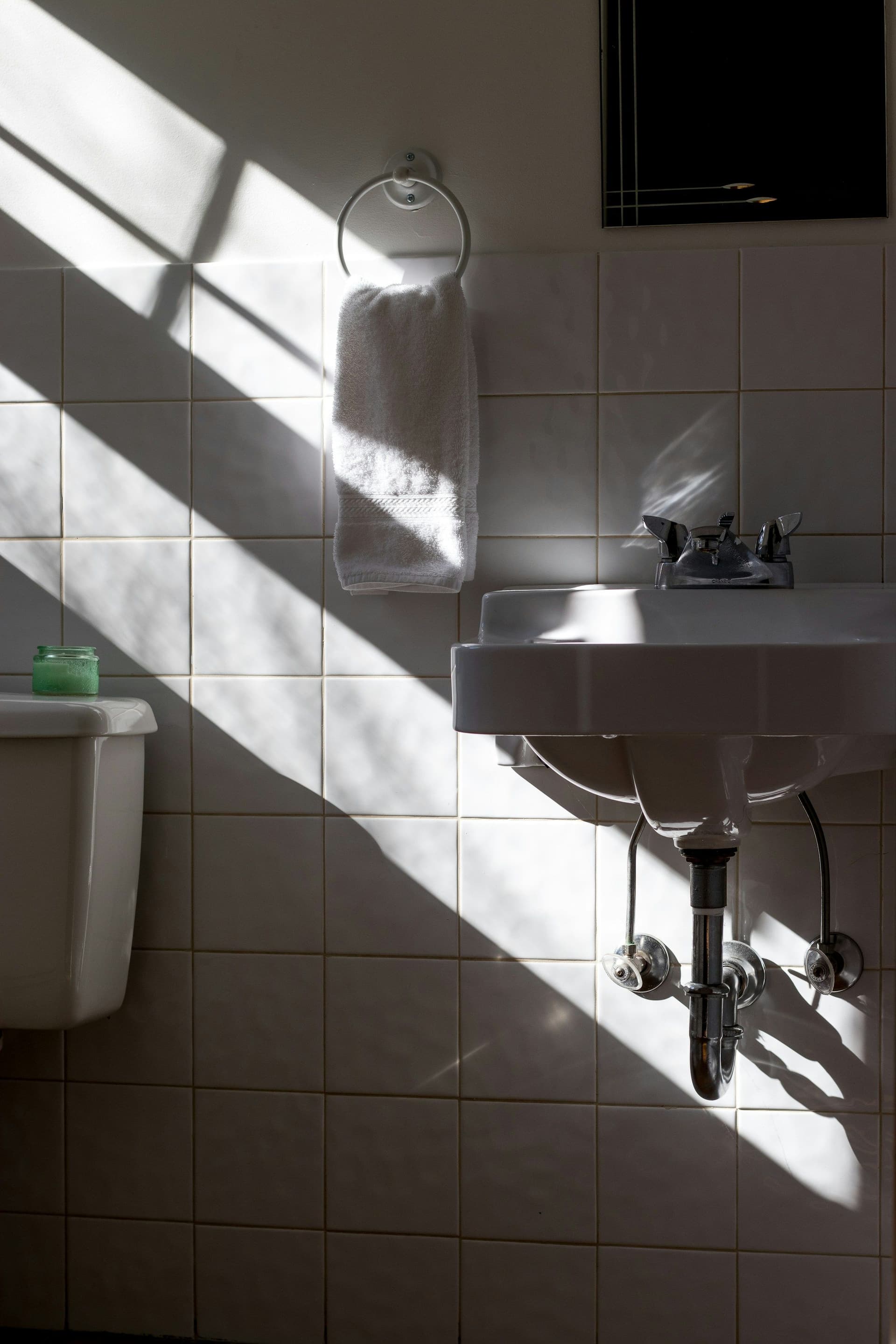
- Where do the fixtures and drains sit?
- Bathroom sinks, showers, toilets, the kitchen sink and appliances each need a supply and a drain position. Moving one later means opening the wall or floor again.
- Which hot water setup suits the home?
- Compare tank, instant, solar and heat pump units against your space, roof access and how much hot water you use. The table below sets out the trade-offs.
- Where will the water heater and shut-off valves be?
- Keep both reachable. A valve behind a service panel means a leak can be stopped without cutting into tile.
- Which pipe material is right?
- PVC, copper and galvanized steel are all used. The right one depends on what the pipe carries, where it runs and what it connects to.
Water heater types compared
General trade-offs only. Your supply, space and hot water use decide the right fit.
Electric storage tank
- How it heats
- An element heats a tank of water and keeps it hot
- Suits
- Most homes, with space for a tank
- Keep in mind
- Needs a suitable electrical supply and room to service the tank
Instant (tankless) electric
- How it heats
- Heats water only as it flows
- Suits
- Small apartments or a single bathroom
- Keep in mind
- Draws a high load while running, so the circuit matters
Solar
- How it heats
- Roof collectors warm the water, usually with a backup element
- Suits
- Villas with roof space and strong sun
- Keep in mind
- Needs roof access, a link to the tank and a backup for cloudy days
Heat pump
- How it heats
- Moves heat from the air into the water
- Suits
- Homes that use a lot of hot water
- Keep in mind
- Costs more to buy than a standard tank and needs room for airflow
Gas
- How it heats
- Burns gas to heat the water
- Suits
- Homes with a gas supply already in place
- Keep in mind
- Needs a gas connection and safe ventilation
Ask for a recommendation at the assessment, with the unit's size, location and electrical or gas needs worked out before the pipes are run.
How a plumbing job runs
The same six steps apply to a leak repair or a full set of new pipework.
- 01
Initial consultation and assessment
A plumber checks the pipes, fixtures and any damage, and talks through what you want fixed or changed.
- 02
Planning and design of plumbing systems
Pipe routes, fixture positions and the water heater location are agreed before work starts.
- 03
Installation or repair of plumbing components
Pipes, fixtures, drains and heaters are installed, or the faulty parts are repaired or replaced.
- 04
Thorough testing and inspection
The work is tested and inspected, including for leaks and drainage, before the job is called complete.
- 05
Final adjustments and cleanup
Fixtures are adjusted and the work area is cleaned up.
- 06
Customer walkthrough and satisfaction check
You see the finished work with the team and check everything runs as you expect. Support continues after the job is done.
Often planned with plumbing
Pipework rarely changes on its own.
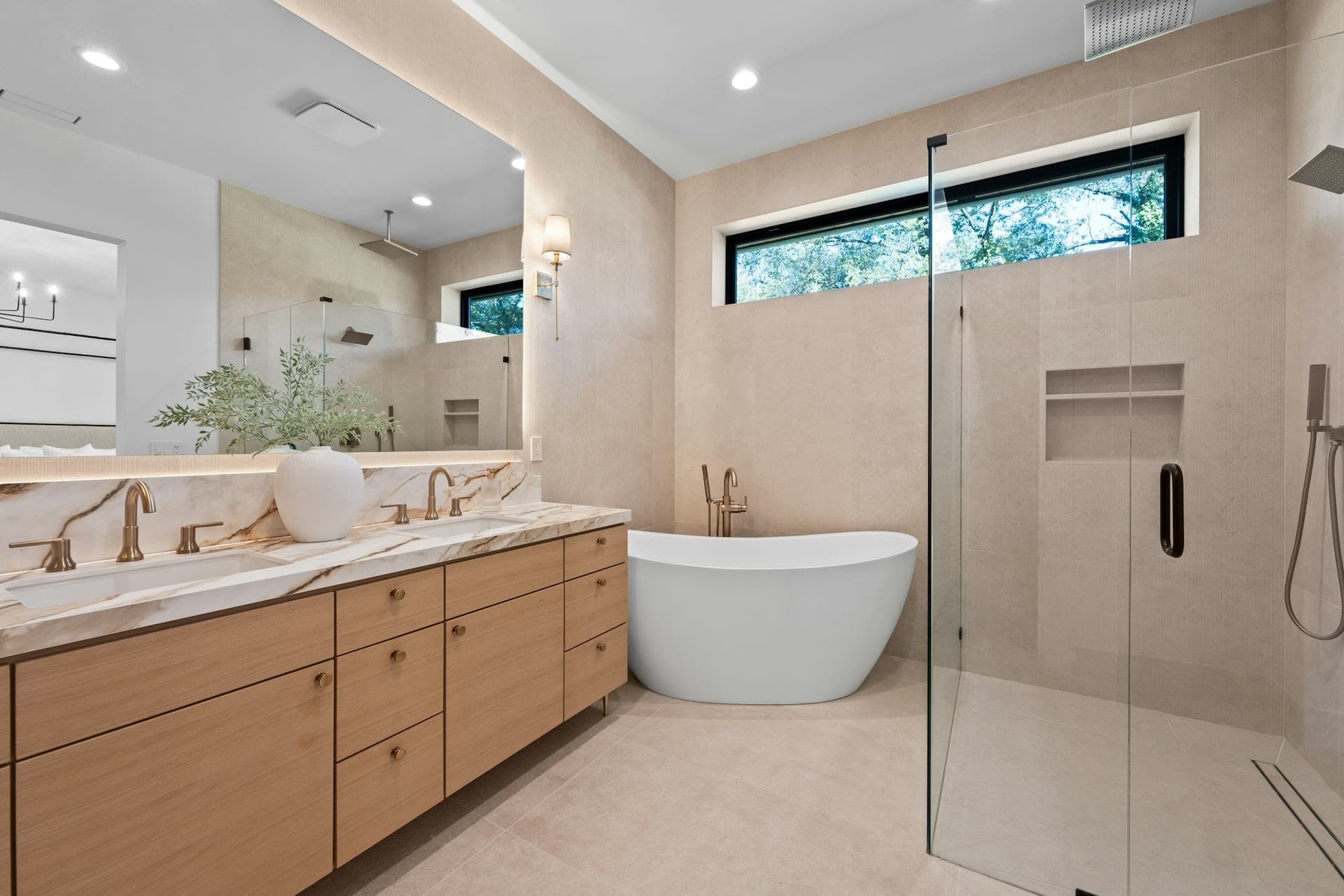 Bathroom remodelingShowers, baths, fixtures, waterproofed tiling, plumbing and lighting.
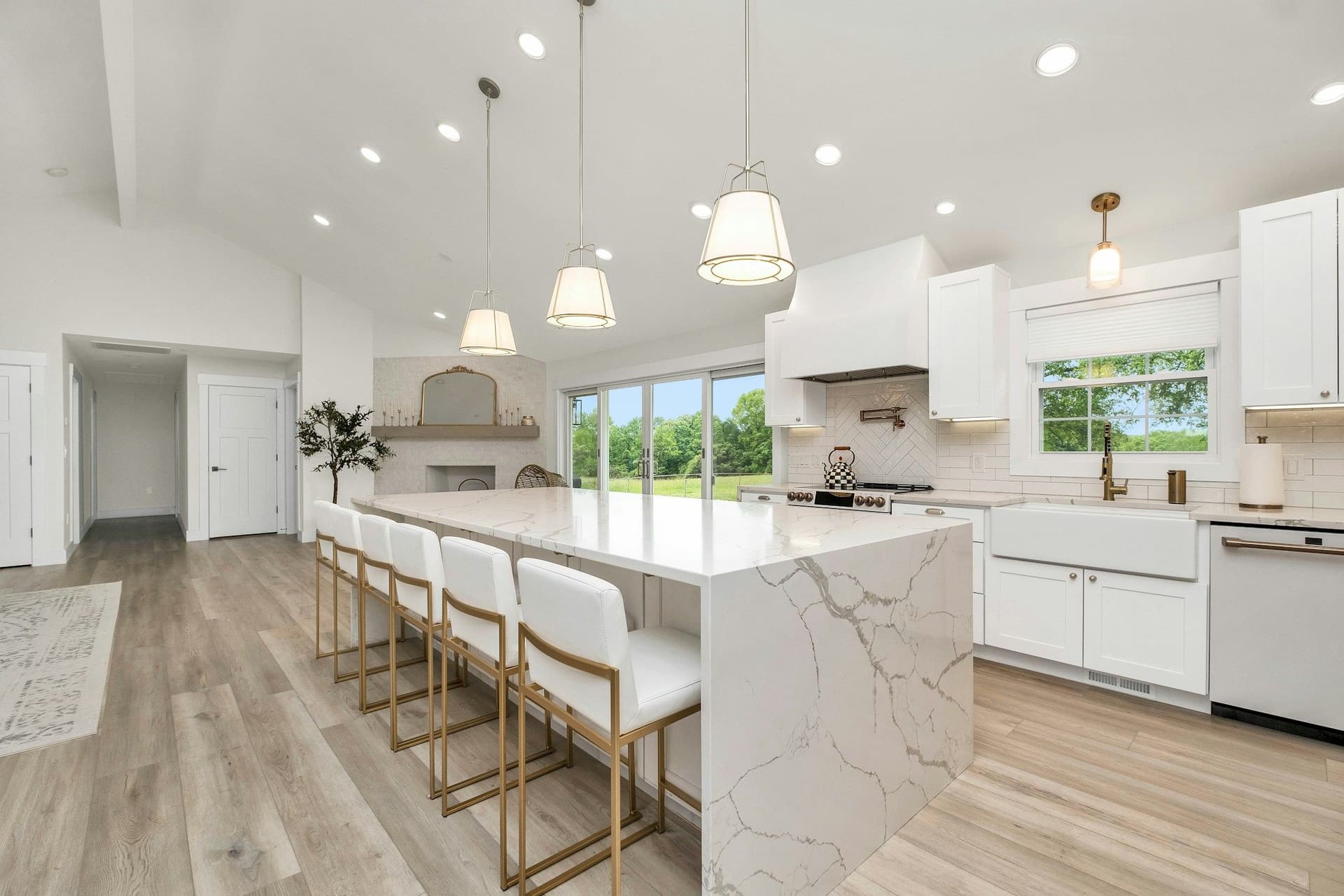 Kitchen remodelingLayout, cabinets, worktops, plumbing, electrics, tiling and flooring in one job.
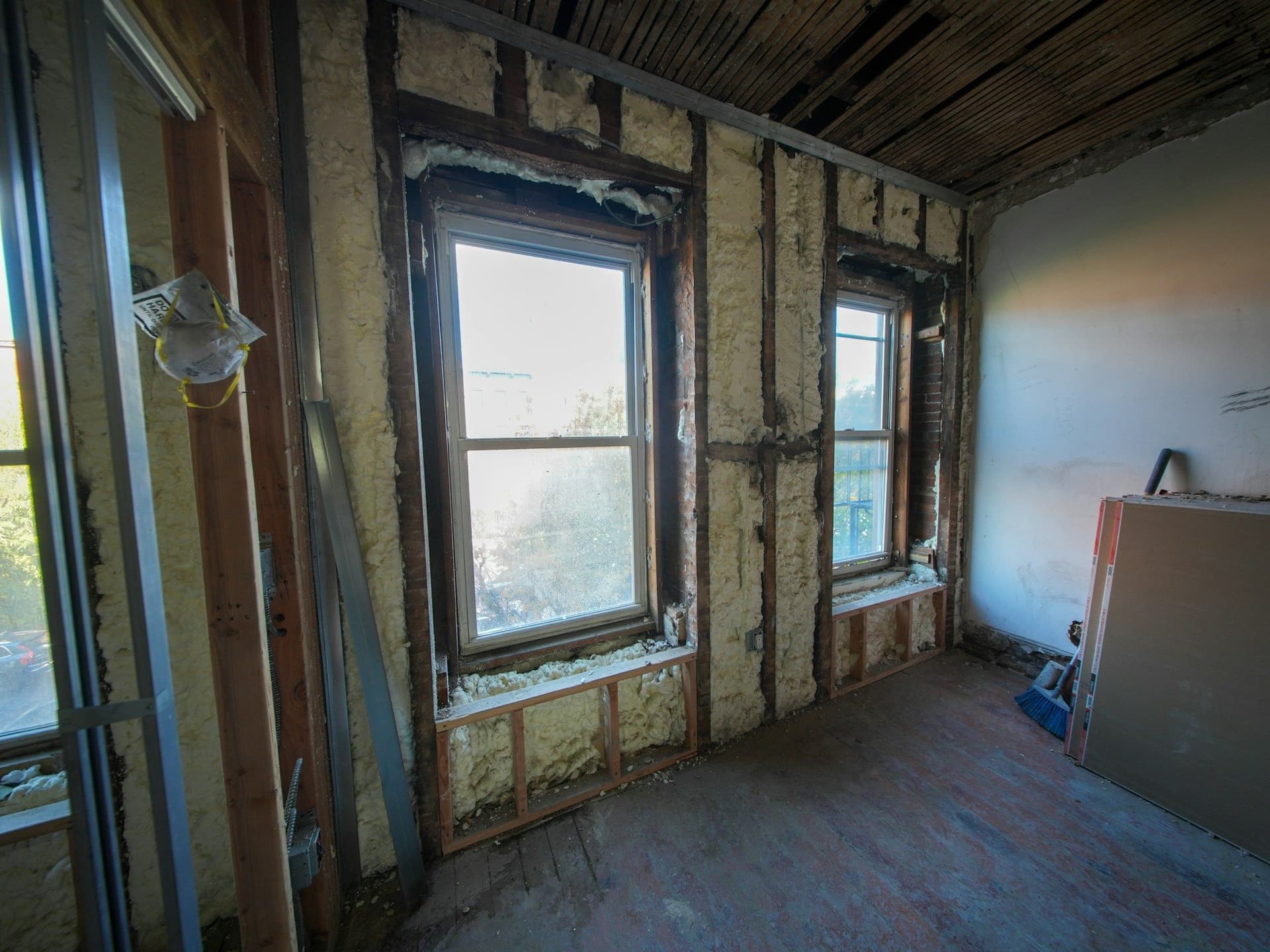
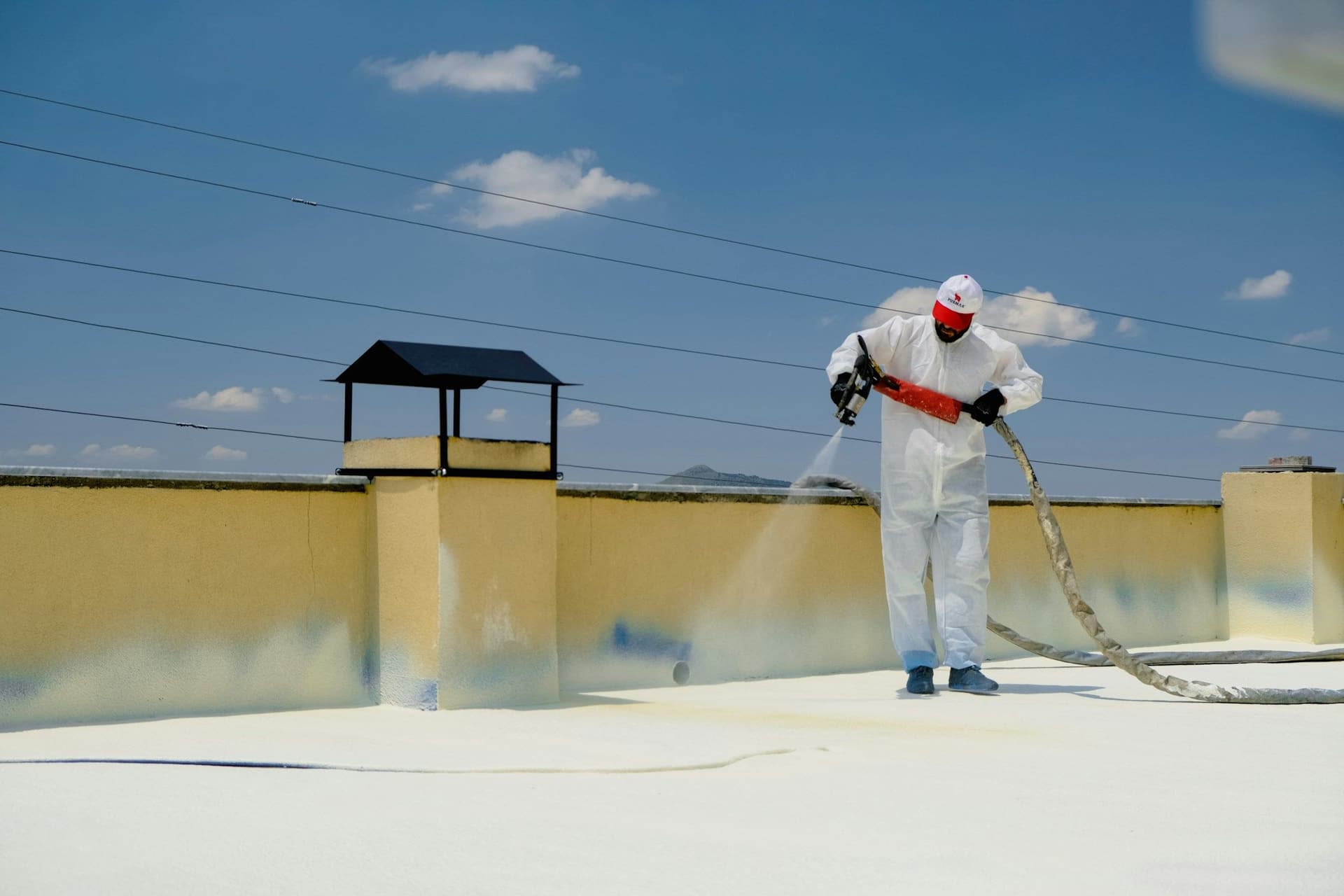 Insulation and waterproofingKeeping heat out and water out of roofs, wet rooms and walls.
 Water, fire and mold damage restorationFinding the cause, removing damage and rebuilding affected rooms.
Plumbing questions, answered
Do you offer emergency plumbing?
Yes. Al-Hilal lists 24/7 emergency service for plumbing. In an emergency, turn off the water supply if you can and call right away to avoid further damage or flooding.
Can you find a leak I cannot see?
Leak detection and repair is part of the plumbing work. A plumber traces where the water is coming from before repairing, so the fix is made at the source.
How often should the water tank be cleaned?
Al-Hilal recommends professional water tank cleaning at least once a year. If your water source is not treated, more frequent cleaning may be necessary.
Can you replace my water heater?
Yes. Water heater installations and repairs are part of the plumbing work, and a replacement means removing the old unit and fitting the new one. The table above compares the types.
Does a bathroom renovation need new plumbing?
Usually some. Moving a shower, toilet or sink changes the supply and drain runs, and old pipes in a wall are easiest to replace while the wall is open. The bathroom remodeling page covers the full job.
Plumbing: get a free estimate
Tell us what you want to change. We inspect, measure and send an itemized estimate with every step broken down, so you know exactly what you are paying for before any work starts.
Free estimates. No obligation or upfront payment required.