
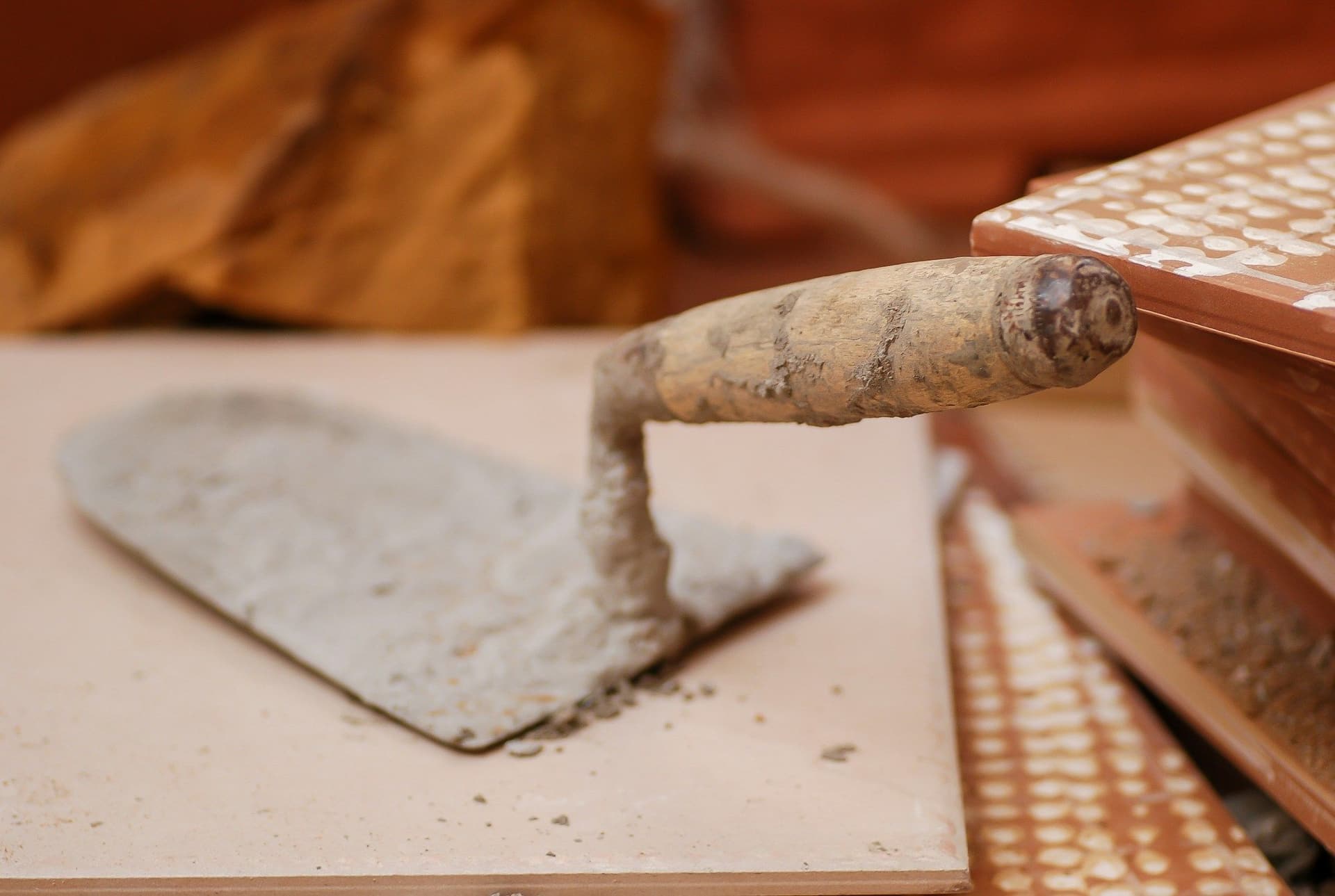
Tiling in Dubai, measured and set out first
Ceramic, porcelain, marble, granite or mosaic on floors and walls, laid by certified technicians trained to work with all kinds of materials.
Free estimates. No obligation or upfront payment required.
Where tile goes in your home
Floors, walls, wet areas and feature surfaces each ask for different tile and different preparation.
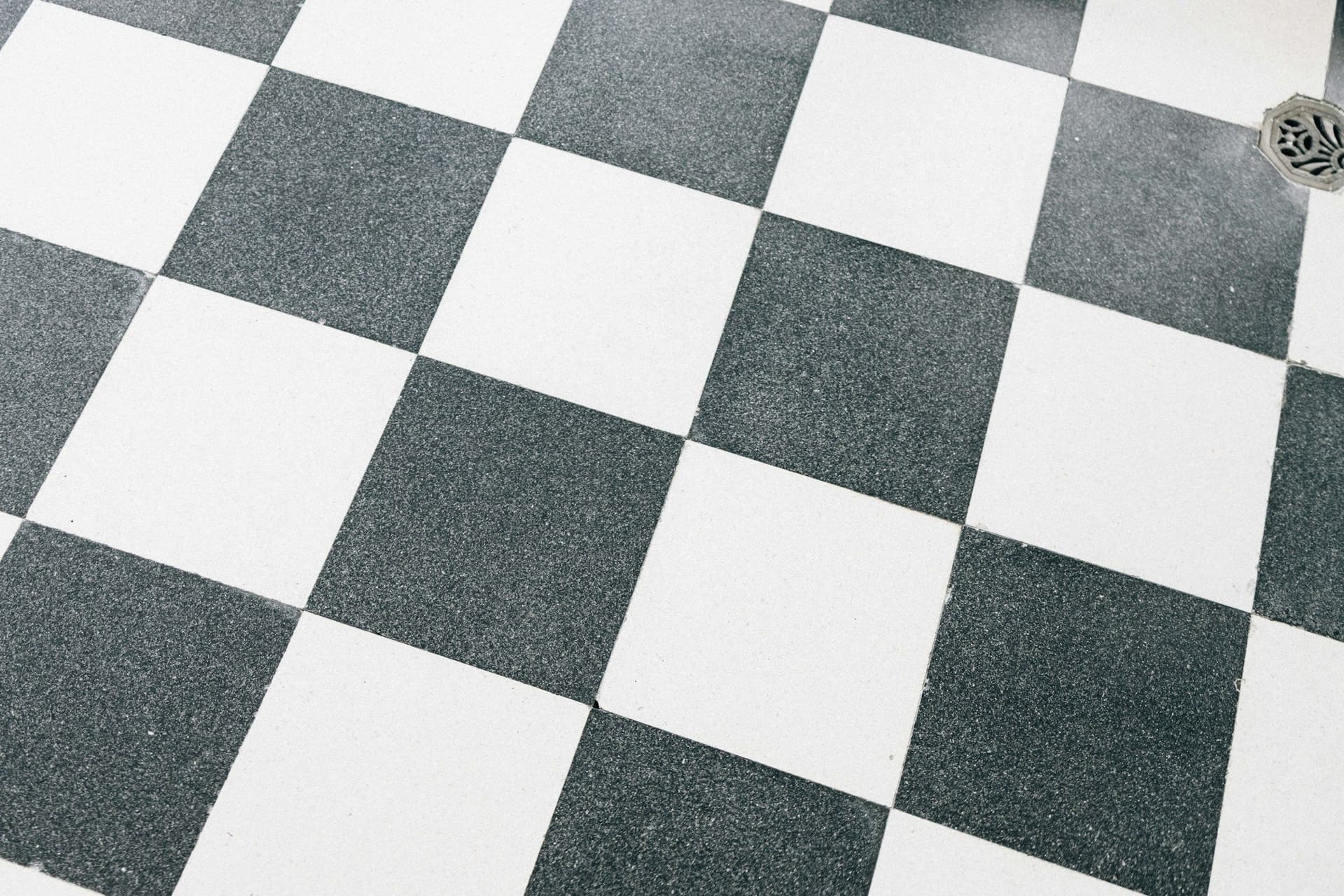
Floors
Kitchens, entrances, living areas and bathrooms, in large or small formats, laid straight, on the diagonal or in a pattern.
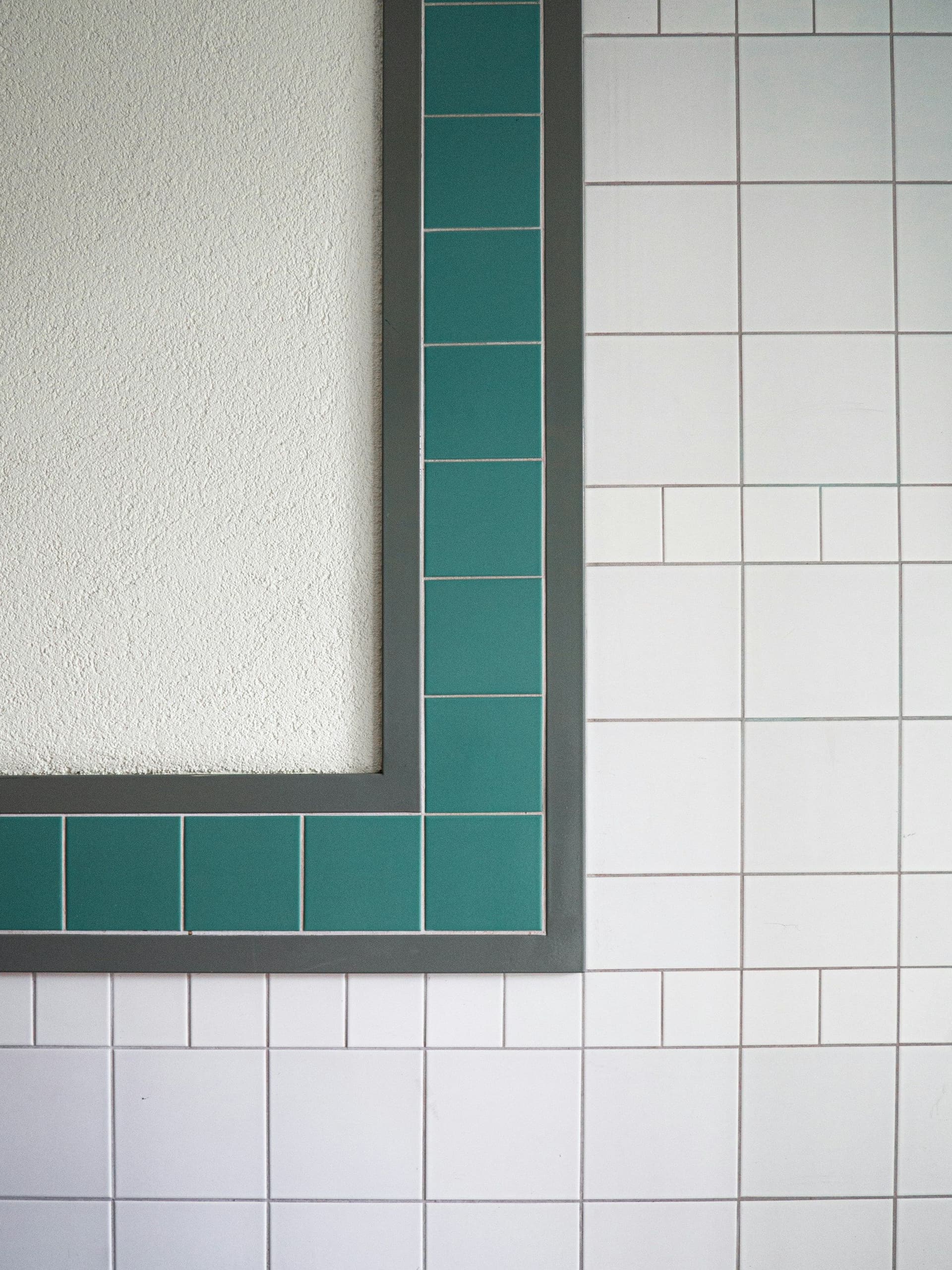
Walls and splashbacks
Behind kitchen countertops, around basins and up bathroom walls, cut neatly around sockets, niches and corners.
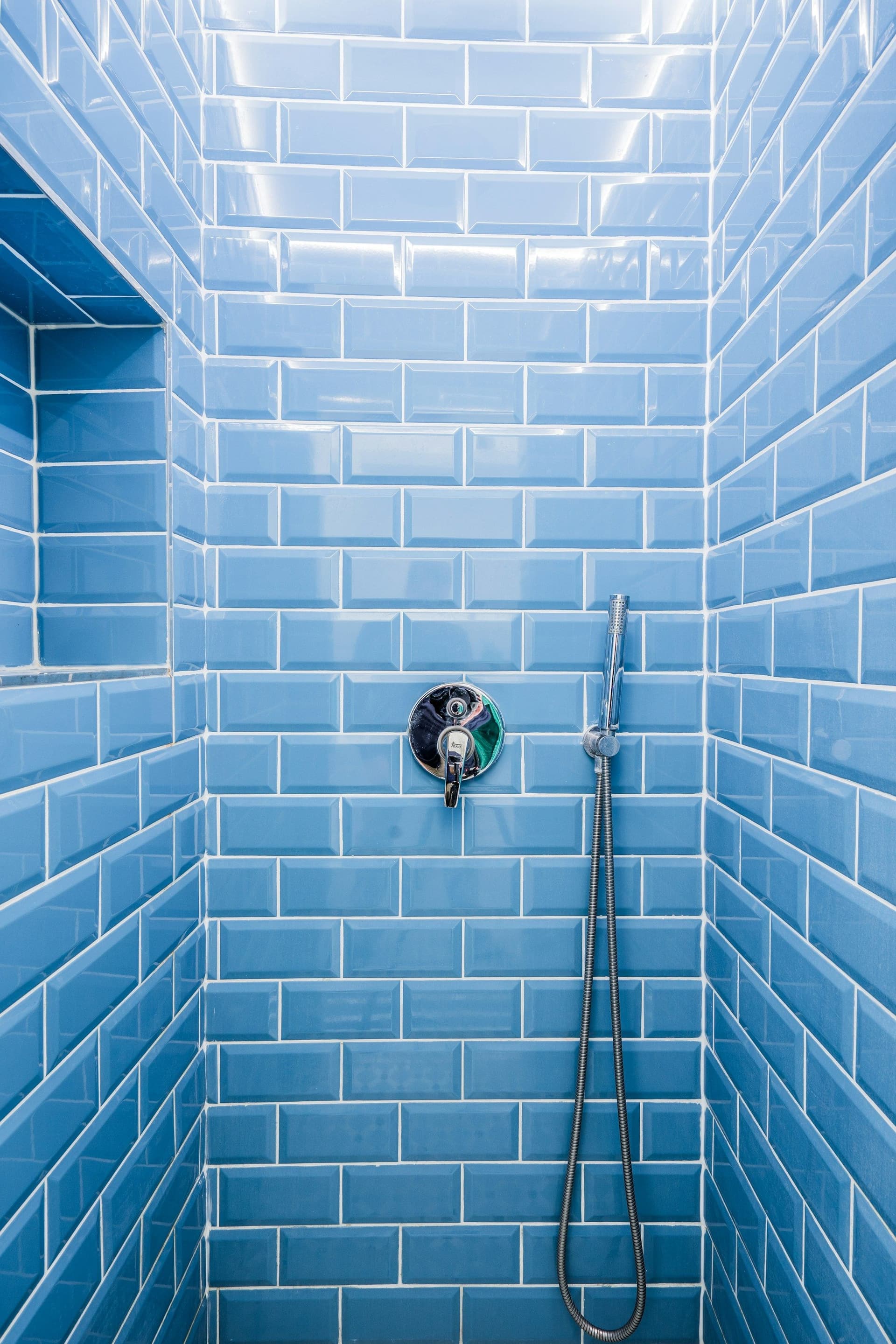
Showers and wet rooms
Tile over waterproofing, with falls to the drain, and mosaic where a floor curves or slopes.
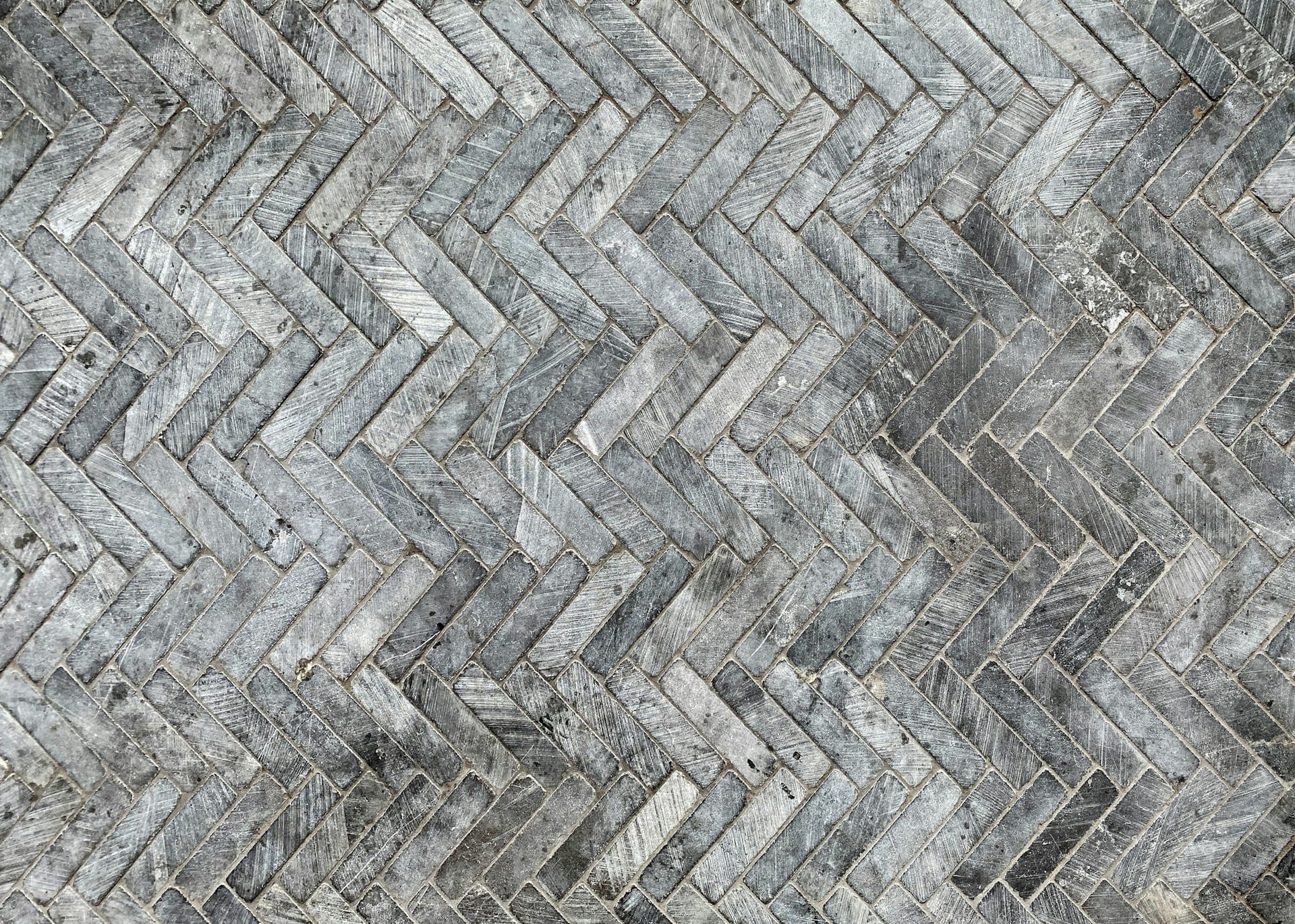
Feature walls and mosaic
Mosaic, patterned or large-format tile used as a focal wall, a border or a niche lining.
Five tile materials compared
General trade-offs, not a ranking. Ask to see a real tile in your own light before you decide.
What it is
- Ceramic
- Fired clay with a glazed surface.
- Porcelain
- Denser, harder fired clay.
- Marble
- Natural stone with veining.
- Granite
- Natural stone, hard and speckled.
- Mosaic
- Small tiles on a mesh sheet, in glass, stone or ceramic.
Water and stains
- Ceramic
- Glaze resists stains. Chipped edges show the clay beneath.
- Porcelain
- Very low water absorption. Resists stains.
- Marble
- Porous. Seal it and wipe acids and spills quickly.
- Granite
- Less porous than marble but still wants sealing.
- Mosaic
- Many joints, so grout choice and sealing matter.
Wear
- Ceramic
- Fine on walls and light-use floors.
- Porcelain
- Strong enough for busy floors.
- Marble
- Softer. It scratches and dulls with heavy use.
- Granite
- Very hard and durable.
- Mosaic
- Depends on what it is made from.
Typical places
- Ceramic
- Walls, splashbacks and light-use floors.
- Porcelain
- Floors and walls in kitchens, bathrooms and entrances.
- Marble
- Halls, living rooms and bathroom walls.
- Granite
- Entrance floors, steps and countertops.
- Mosaic
- Shower floors, niches, borders and feature walls.
Upkeep
- Ceramic
- Wipe clean. Regrout when joints stain or crack.
- Porcelain
- Wipe clean. Joints need the same care.
- Marble
- Seal now and then. Use gentle cleaners.
- Granite
- Seal now and then.
- Mosaic
- Clean the joints more often.
Large-format tile needs a flatter base and careful handling. We check the base and the tile size together.
A tiling job, stage by stage
Our five stages apply to every job. In tiling, what happens before the first tile goes down decides how the finished surface looks.
- 01
Initial inspection
We look at the surfaces to be tiled, the existing finish, door heights, drains and anything in the way.
- 02
Measure and plan the layout
Precise measurements come first, then a layout drawn from the room's focal line so cut tiles fall in corners and under furniture, not at the doorway.
- 03
Check the base
Floors and walls are checked for level, cracks and damp. Wet rooms are checked for falls and drain positions.
- 04
Prepare and waterproof
Old tile comes off where needed, the base is cleaned and leveled, and shower floors and wet walls get waterproofing before any tile goes on.
- 05
Set the tile
Adhesive is combed onto the base, tiles are bedded and spaced evenly, and each is checked for level.
- 06
Cut and fit
Cuts around drains, sockets, niches and corners are measured and made one at a time, with trim on exposed edges.
- 07
Grout and clean
Once the adhesive has set, joints are filled with grout and cleaned off. Stone and porous tile are sealed.
- 08
Quality check
We check every surface for level, edges that sit proud, hollow-sounding tiles, even joints and clean cuts.
- 09
Final walkthrough
We walk the finished areas with you, clean up and hand over.
Decisions that shape the finished look
- What tile size and shape?
- Large tiles mean fewer joints and a cleaner look but need a flatter base. Small tiles and mosaic follow slopes and curves.
- What grout color and width?
- Grout that matches the tile hides the joints, and contrast grout draws the pattern. Narrow joints look sharper, and wider joints forgive small differences between tiles.
- Which layout pattern?
- Straight, brick bond, diagonal or herringbone. Diagonal and herringbone use more tile and need more cuts.
- Matte or polished?
- Polished tile looks bright but shows footprints and can be slippery when wet. Matte or textured tile grips better in showers and kitchens.
- Should you keep spare tiles?
- Yes. Keep spares from the same batch for future repairs, because later batches can differ in shade.
Signs tiles need repair or replacing
A single cracked tile is cosmetic. Hollow tiles, lifting edges and damp are different: they often mean the bond or the waterproofing underneath has failed.
- A hollow sound when you tap a tile
- Cracked or chipped tiles
- Grout that crumbles, stains or has gone missing
- Tiles lifting at edges or corners
- Damp patches, mold or a stain on the ceiling below a wet room
- A floor that has settled, leaving uneven joints
Services that go with tiling
 Flooring: tile, wood, vinyl, stoneNew floors laid level and finished, from porcelain and marble to wood and vinyl.
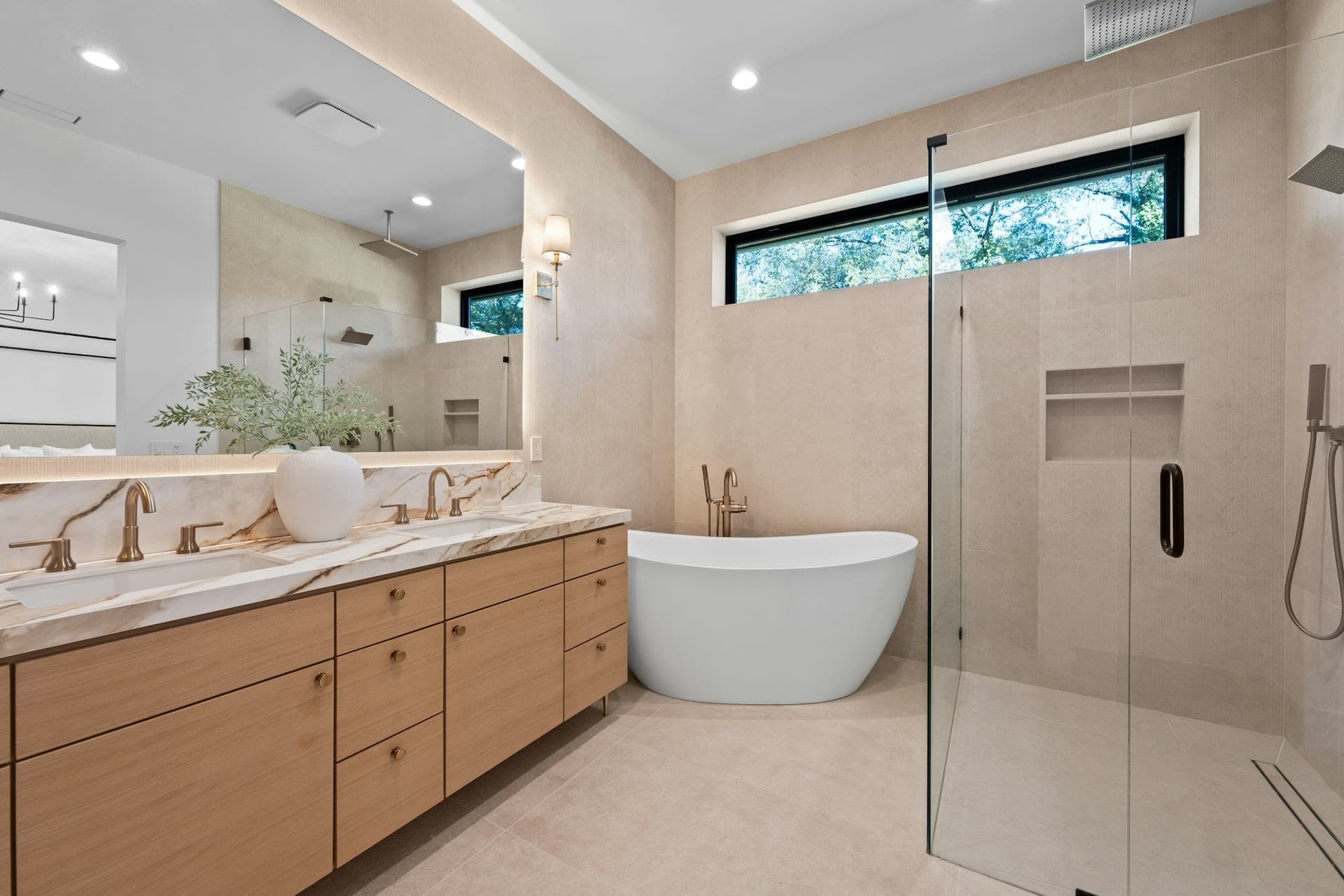 Bathroom remodelingShowers, baths, fixtures, waterproofed tiling, plumbing and lighting.
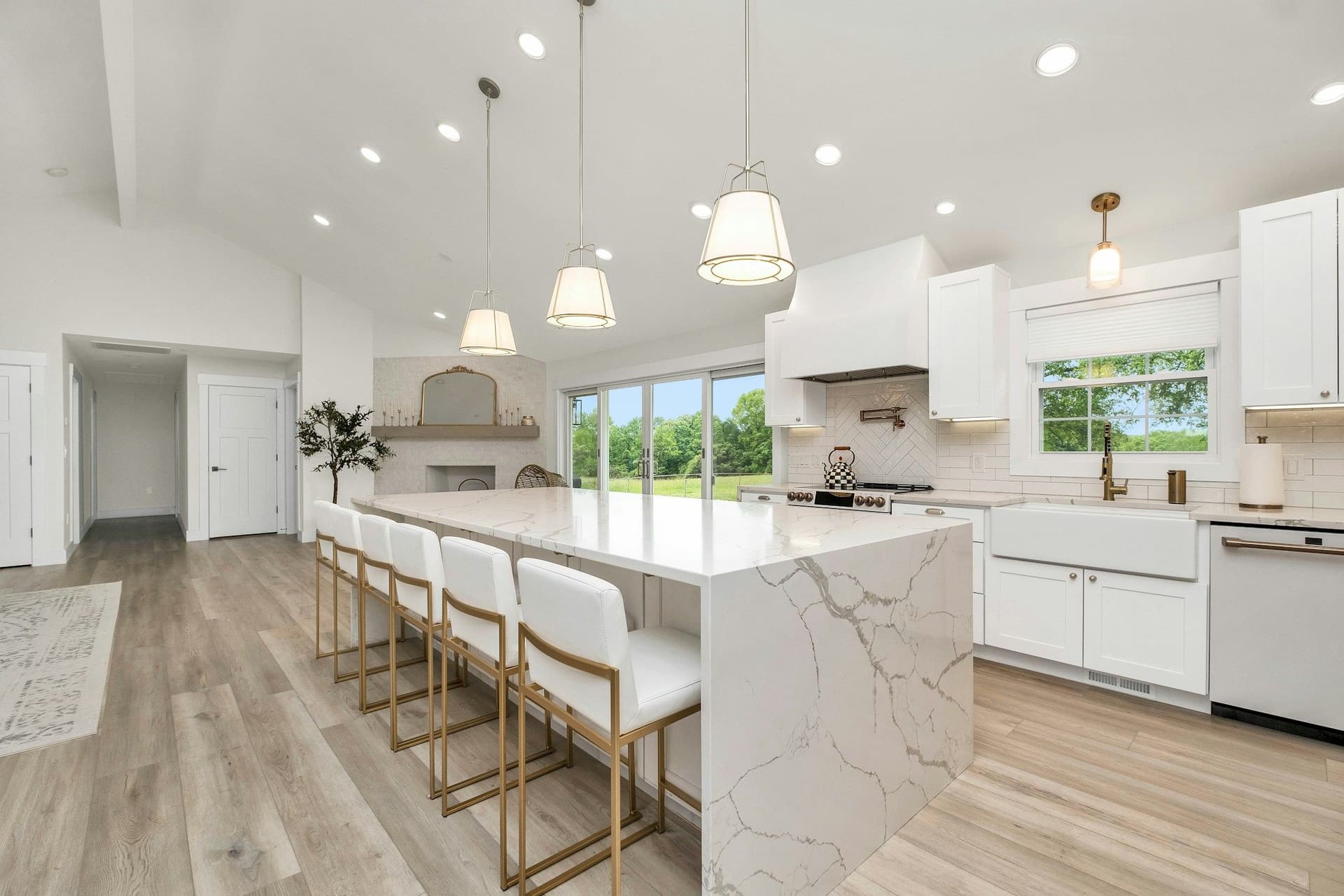 Kitchen remodelingLayout, cabinets, worktops, plumbing, electrics, tiling and flooring in one job.
 Insulation and waterproofingKeeping heat out and water out of roofs, wet rooms and walls.
 Demolition and site clearingStrip-outs and careful removal before the new work begins.
Tiling questions, answered plainly
Which tile works in a bathroom?
Porcelain is a common choice for floors because it absorbs very little water. Walls can take ceramic or stone, and shower floors usually use mosaic or small tiles so the slope to the drain follows the surface.
Is waterproofing part of a tiling job?
Wet areas need it before tile goes on: showers, bathroom floors and walls that get splashed. Insulation and waterproofing is on our service list, so we plan it into the same job.
Is marble practical in a home?
Yes, with care. Marble is porous and softer than porcelain, so it needs sealing and gentle cleaners. Many homeowners use it in halls and living rooms and choose porcelain for wet rooms and kitchens.
How often does grout need attention?
Cement grout can stain or crack, so keep joints clean and reseal if your installer advises it. Epoxy grout resists stains better, so ask about it for busy or wet areas.
How much does tiling cost?
It depends on the tile, the area, the layout, how much preparation the base needs and whether waterproofing or removal of old tile is included. The free estimate itemizes every step before work starts.
Tiling: get a free estimate
Tell us what you want to change. We inspect, measure and send an itemized estimate with every step broken down, so you know exactly what you are paying for before any work starts.
Free estimates. No obligation or upfront payment required.